H
Hemant Sonar
Case Study · 126 years ago
test
test
Start building your Networking Ecosystem
Case Study · 126 years ago
test

Research · 126 years ago
1. Global Market Leadership (Q2 2026) Top 3 Global Players: Johnson & Johnson leads with $25.31B (+6.6% YoY), followed closely by Eli Lilly at $23.00B (+48.0% YoY) and AbbVie at $16.99B (+6.6% YoY). Massive Growth Drivers: Eli Lilly surged +48% YoY, driven by strong demand for obesity and diabetes treatments like Mounjaro and Zepbound. Eli Lilly also raised its 2026 revenue guidance to $85B–$87B. 2. Indian Pharma Landscape (Q1 FY2026–27) Top Performers: Sun Pharma leads the Indian market with ₹15,299.9 Cr (+10.5% YoY), followed by Aurobindo Pharma at ₹9,150.4 Cr (+16.3% YoY) and Lupin at ₹8,276.9 Cr (+32.0% YoY). Profitability Highlights: Sun Pharma: Net profit surged to ₹2,894.8 Cr (+27% YoY), with specialty medicine sales reaching $351M (21.9% of total revenue). Lupin: Recorded a +33.3% YoY sales surge with EBITDA up +42.8% (31.4% EBITDA margin). Zydus: Grew revenue by +22% YoY to ₹8,017 Cr, though net profit fell ~36% due to higher operational costs. 3. Focus Segment: Ophthalmic (Eye-Care) Market Global Leaders: Roche leads global ophthalmic revenue at $5.07B, followed by Bayer ($3.52B) and AbbVie ($2.11B). India Growth Outlook: The Indian ophthalmic drugs market is projected to expand from $253.1M in 2025 to $333M by 2030. Growth Drivers: Driven by higher eye disease prevalence, increased diagnosis/awareness, and rapid adoption of innovative therapies. 4. Key Strategic Growth Drivers Across the Industry Metabolic Therapies: High demand for obesity and diabetes care globally. Specialty & Oncology: Specialty medicines and oncology/immunology expansion are driving higher margins. Supply Chain & Infrastructure: Heavy investments in global manufacturing expansion (e.g., Lilly’s $4.5B Indiana expansion commitment). Domestic & Export Strength: Balanced growth across Indian domestic formulations and key international markets.

Market Study · 126 years ago
Hello BONC Network Users Welcome to the October Week 2 edition of the BONC Network Newsletter! Here is your curated snapshot of key global business developments, market trends, and economic updates shaping the landscape this month. 🌐 Top 5 Global Business Highlights Iran War & Hormuz Energy Shock Tensions persist after the rejection of proposals to reopen the Strait of Hormuz. With approximately one-fifth of global oil normally passing through the strait, the blockade has driven oil prices to $101.31/bbl (+55% YoY), continuing to fuel global inflation and currency pressures. US Federal Reserve Rate Hike The Fed raised its target rate by 25 bps to 3.75%–4.00%, citing elevated inflation. 16 out of 18 FOMC members anticipate at least one more hike this year, maintaining upward pressure on global borrowing costs. IMF Trims Global Growth Outlook Global growth is projected at 3.0% for 2026 and 3.4% for 2027. Global public debt is approaching 100% of GDP, limiting fiscal policy flexibility worldwide. US Tariff Policy Restructuring Following the striking down of IEEPA tariffs in February and the expiration of Section 122 surcharges in July, a new Section 301 duty (10%–12.5%) across ~60 economies has been implemented. Central Bank Tightening & Rising Bond Yields Rate increases across the US, UK, and Japan have pushed US 10-Year Treasury yields near two-decade highs (5.25%), driving capital movements from emerging markets. 📊 Global Market Snapshot & Economic Indicators S&P 500: 7,651.54 (+0.5% in Sept) Dow Jones: 50,906.05 (-4.3% in Sept) Nasdaq: 26,861.06 (+1.9% in Sept) Gold: $4,185/oz Indian Rupee: ~96.31 per USD (near record low) 🇮🇳 India Business Update Strong Economic Growth: Real GDP grew 7.8% in Q1 FY27 (above the 7% estimate), driven by Manufacturing (9.2%) and Services (10.0%). Inflation & PMI: CPI rose to 4.82% in August (with food inflation at 5.95%), while Manufacturing PMI stood at 52.8. Exports & IPOs: Merchandise exports surged 17% in April–July FY27, reaching a record $44.2B in July. The primary market remains active with potential IPO proceeds of ~₹25,000 Cr targeted for September. RBI Monetary Policy: The Repo Rate stands at 5.25%, with the market watching closely for upcoming MPC decisions. 💡 Sectoral Outlook for India Growth Opportunities: Capital Goods & Infrastructure, Textiles/Apparel (benefiting from trade agreements), Renewables, and Services. Watch Areas & Challenges: Auto and margin-sensitive sectors facing fuel/input cost pressures, and export sectors navigating foreign tariff adjustments. 📅 Key Upcoming Dates to Watch Oct 7: RBI MPC Decision Oct 13: US CPI & IMF Outlook Release Oct 28: Next Fed Meeting & Rate Decision Nov 30: India Q2 GDP Data Release Thank you for being a valued part of the BONC Network community.

Market Study · 126 years ago
The Strait of Hormuz blockade is disrupting global oil flows, driving energy prices higher and intensifying inflation, interest-rate pressures, currency volatility, and broader risks across the world economy.

Case Study · 126 years ago
Now we are on wheels

Market Study · 126 years ago
Welcome to BONC Network What has happened in Global business in the last week of September 2026 - Let's uncover it. Do subscribe for regular overview by BONC Network editorial team on Global Business and financial market weekly.
News · 126 years ago
How AI has impacted job market Globally in 2026
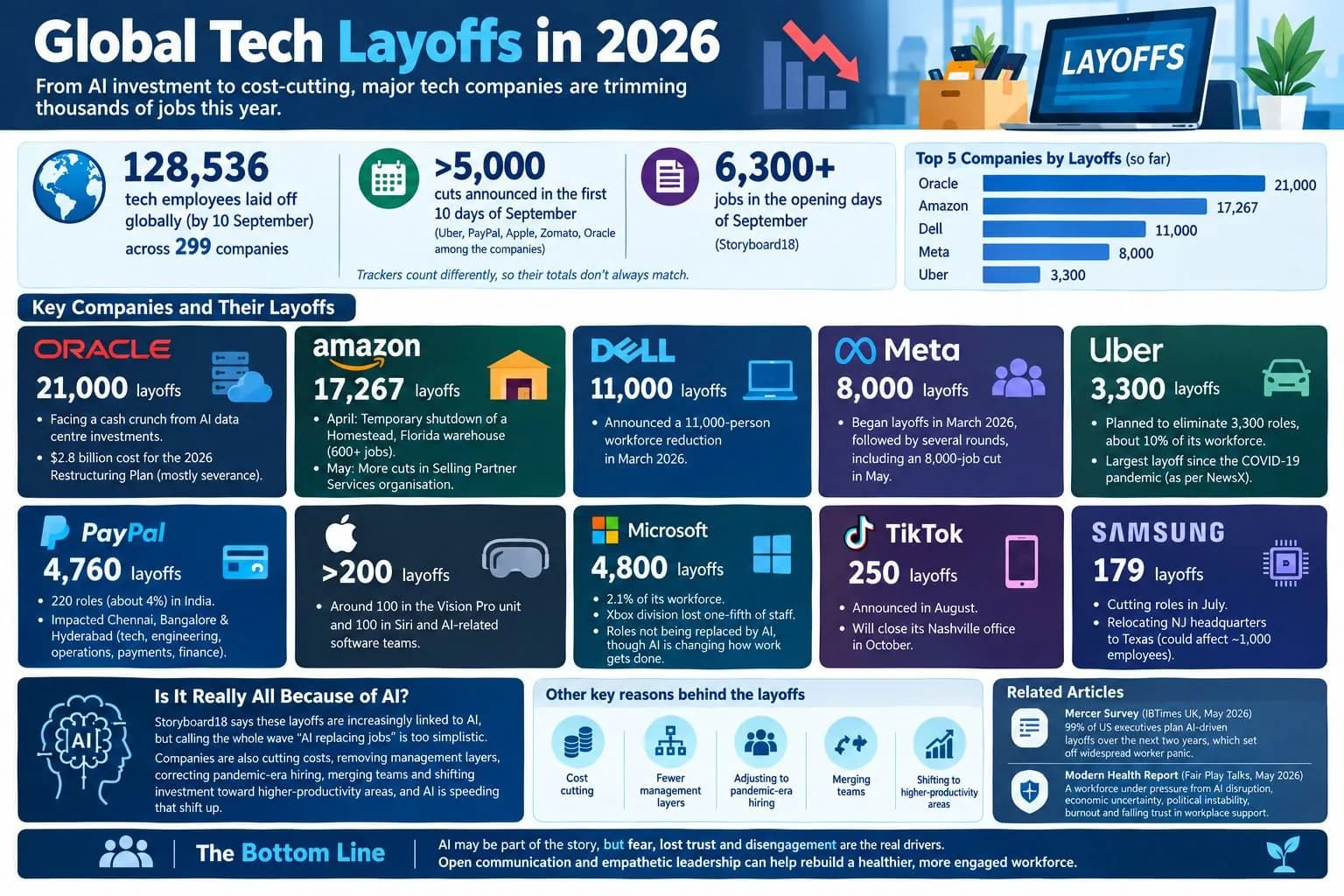
Case Study · 126 years ago
AI can help doctors and healthcare organizations analyze medical images, identify potential diseases, monitor patients, and assist in medical research. AI can also help researchers analyze large datasets to discover potential treatments and understand diseases.
Analysis · 126 years ago
Artificial Intelligence (AI) has become one of the most transformative technologies of the modern era. From smartphones and online shopping to healthcare, finance, education, and transportation, AI is increasingly becoming a part of our everyday lives. It enables machines and software systems to perform tasks that traditionally require human intelligence, such as understanding language, recognizing images, analyzing information, making predictions, and solving complex problems.
Case Study · 126 years ago
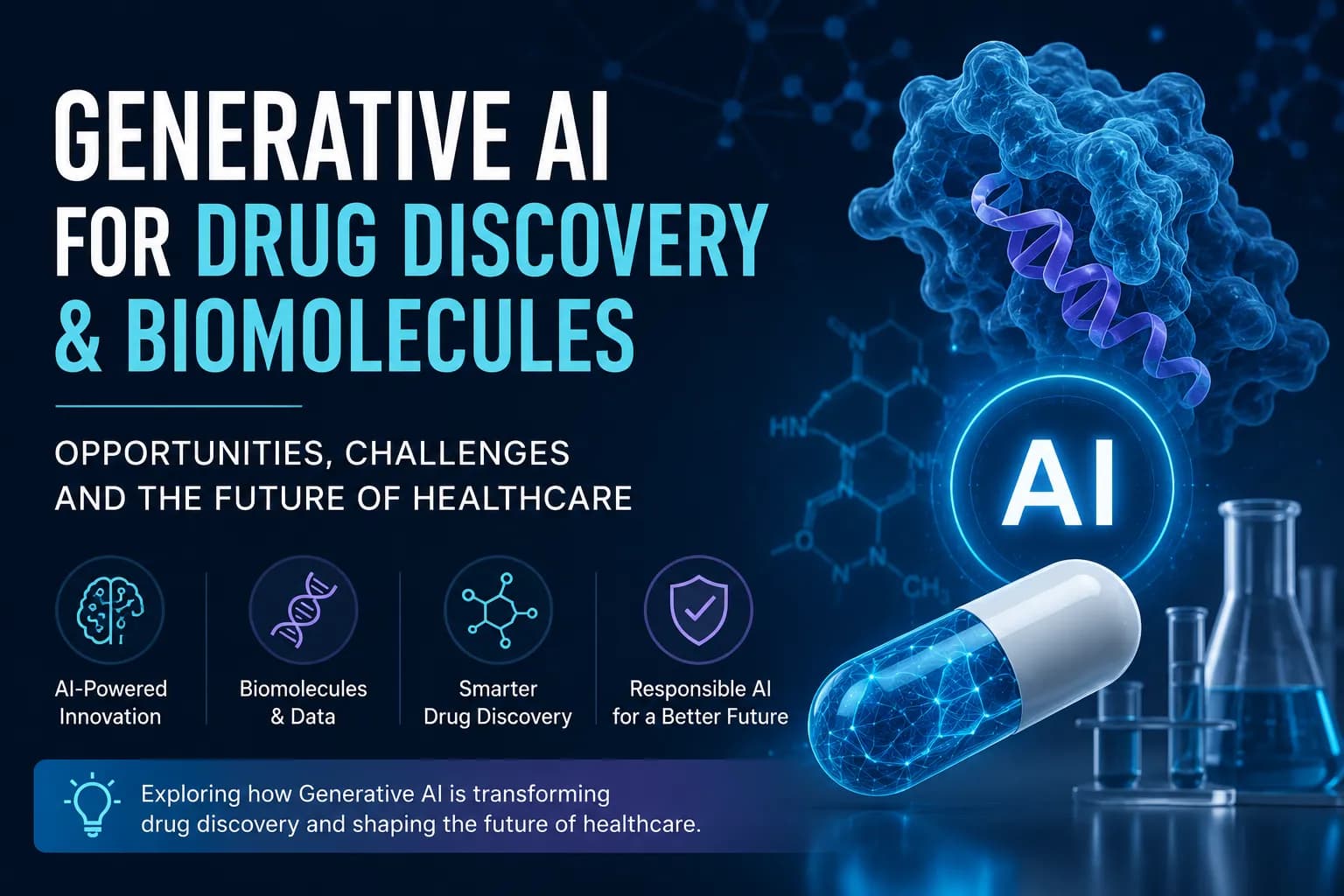
Generative Artificial Intelligence is becoming an important technology in drug discovery and life sciences. Traditional drug development can take many years and requires significant financial investment because researchers need to identify promising molecules, test their effectiveness, evaluate safety, and conduct multiple stages of clinical research. Generative AI provides a new approach by learning patterns from biological, chemical, and molecular data and generating new possibilities that researchers can investigate. Rather than replacing scientists, I believe AI can act as a powerful research assistant that helps scientists explore a much larger number of possibilities in less time. How Generative AI Can Support Drug Discovery One of the most promising applications is molecule generation . Generative models can learn the structural patterns of existing compounds and propose new molecular structures with desired properties. Researchers can then evaluate these candidates through computational and laboratory experiments. AI can also help with drug-target interaction prediction . Understanding how a potential drug molecule interacts with a protein or biological target is an important part of drug discovery. Machine learning and deep learning models can analyze large datasets to identify patterns that may not be easily discovered through conventional methods. Another important area is protein structure and biomolecule analysis . Modern AI models can help researchers understand protein structures and relationships between biological sequences and functions. This can provide valuable information for identifying potential therapeutic targets. Generative AI can also contribute to virtual screening and drug optimization . Instead of experimentally testing every possible compound, AI can prioritize candidates based on predicted characteristics such as binding affinity, toxicity, stability, and other relevant properties. Researchers can then focus laboratory resources on the most promising candidates. Technologies Involved A wide range of AI technologies can contribute to this field, including: Machine Learning and Deep Learning Generative AI models Transformer architectures Graph Neural Networks Natural Language Processing Molecular representation learning Protein and DNA sequence modeling Large-scale biological and chemical datasets Graph-based approaches are particularly interesting because molecules can naturally be represented as graphs, where atoms are nodes and chemical bonds are edges. This allows machine learning models to learn relationships within molecular structures. Potential Impact on Healthcare The biggest potential advantage of Generative AI is accelerating the early stages of drug discovery . AI can help researchers search through enormous chemical and biological spaces more efficiently and identify promising candidates earlier. It could also support the development of more personalized treatments by analyzing relationships between biological characteristics and treatment responses. In the long term, combining AI with laboratory automation, high-throughput screening, and biomedical research could create a much more efficient drug discovery pipeline. However, I do not think AI should be viewed as a system that independently discovers and approves medicines. Healthcare requires extremely high levels of reliability, validation, and safety. Challenges and Risks Generative AI also introduces important challenges. The quality of an AI system depends heavily on the quality and diversity of its training data. Incomplete or biased datasets can result in unreliable predictions. AI-generated molecules also cannot simply be assumed to be safe or effective. They must undergo computational validation, laboratory testing, preclinical evaluation, and clinical trials. Another challenge is explainability . Researchers and regulators need to understand why a model recommends a particular molecule or biological target. Privacy, data security, intellectual property, regulatory compliance, and responsible AI governance are also important considerations. There is also a risk of over-relying on AI-generated results. A model prediction should be treated as a hypothesis that requires scientific validation, not as a guaranteed scientific conclusion. My Perspective In my view, the most valuable role of Generative AI in drug discovery is to expand the capabilities of researchers rather than replace them . A scientist may have limited time and resources to investigate potential molecules, while an AI system can rapidly analyze large datasets and generate numerous hypotheses. The strongest future approach will be a human-AI collaboration model where AI performs large-scale analysis, prediction, and candidate generation, while scientists provide domain expertise, experimental validation, interpretation, and ethical judgment. I am particularly interested in this area because it demonstrates how AI can move beyond chatbots and content generation into fields where it can potentially address complex real-world problems. The combination of AI, biology, chemistry, and automation could significantly influence the future of healthcare. Future Outlook I believe the next stage of AI-driven drug discovery will involve increasingly integrated systems combining Generative AI, multimodal biological data, molecular simulations, laboratory automation, and continuous model improvement . As these technologies mature, AI could help researchers explore previously difficult-to-reach areas of biology and identify promising therapeutic approaches more efficiently. However, responsible development, scientific validation, transparency, and regulatory oversight will remain essential. Overall, Generative AI has the potential to transform drug discovery from a predominantly trial-and-error process into a more data-driven, computationally guided, and efficient scientific process. Its greatest impact will come when advanced AI capabilities are combined with human scientific expertise and rigorous experimental validation.
Case Study · 126 years ago
The Bihar Public Service Commission (BPSC) conducts one of India's most competitive state-level civil service examinations, drawing lakhs of aspirants each year for the prestigious Combined Competitive Examination (CCE). With the 72nd BPSC CCE notification for 2026 already released, here is a complete overview for every serious aspirant. What is BPSC? Established in 1949 under Article 315 of the Indian Constitution, the Bihar Public Service Commission serves as the state's primary recruitment body, functioning as the state-level equivalent of the UPSC . It conducts the Combined Competitive Examination to fill Group A and Group B gazetted positions in the Bihar state administration .
Case Study · 126 years ago
The rapid adoption of generative AI and AI-based coding platforms is changing the way software is developed. Tools such as AI coding assistants can generate boilerplate code, suggest implementations, explain errors, and help developers refactor existing code. However, this does not mean that software engineering is becoming less important. Instead, the expectations from developers are changing. In the past, a significant amount of development time could be spent writing repetitive code. Today, a developer can use AI to generate an initial implementation of a REST API, database model, or validation layer within minutes. For example, an AI tool can generate an Express or .NET API endpoint based on a requirement. However, the developer still needs to determine whether the API follows appropriate authentication, validation, error-handling, and security practices. This creates a shift from “How quickly can you write the code?” to “Can you understand the problem and make the right engineering decisions?” Consider a simple e-commerce application. An AI tool may generate a function for processing an order correctly under normal conditions. But a developer must think about questions such as: What happens if the payment succeeds but the database update fails? Can the same order be processed twice? Is sensitive customer information protected? How will the system behave when thousands of users place orders simultaneously? These are not simply coding problems. They require an understanding of system design, databases, concurrency, security, scalability, and business requirements. AI-generated code also needs to be reviewed carefully. Developers cannot assume that code is correct simply because it compiles or passes a basic test. An implementation may contain inefficient database queries, insecure input handling, unnecessary dependencies, or edge cases that the AI did not consider. For example, an AI assistant might generate a database query that works perfectly with a few hundred records but performs poorly when the database grows to millions of records. An experienced developer should be able to identify the potential bottleneck, examine indexing and query complexity, and improve the design. Therefore, I believe AI-based coding platforms will increase the value of developers who can reason, review, design, test, and take responsibility for the software they build. AI can significantly reduce the time required to implement an idea, but it does not remove the need to understand that idea. Organizations will increasingly look for engineers who can combine AI-assisted development with strong fundamentals, critical thinking, system understanding, communication, and responsible decision-making. In my view, the future is not AI replacing developers, but developers who effectively use AI becoming more productive than developers who do not. The competitive advantage will come from knowing when to use AI, when to question its output, and when human engineering judgment must take over.
Case Study · 126 years ago
From ML Models to Production: Why MLOps and Continuous Model Governance Matter Machine Learning is often introduced as a simple workflow: Collect data → Train a model → Check accuracy → Deploy it. But in a real-world application, this is only the beginning. A model can achieve 95% accuracy during development and still become a poor production system after a few months. The reason is simple: the real world does not stay the same as the training dataset. Users change their behavior. Markets change. Data sources change. New patterns appear. Sometimes even the way data is collected changes. This is where I believe MLOps and Continuous Model Governance become essential. A Good Model Is Not Always a Good Production System While learning Machine Learning, I initially found model accuracy to be one of the most important measures of success. But as I started exploring deployment and real-world applications, I realized that accuracy is only one part of the problem. Imagine an e-commerce company builds a recommendation model using customer behavior from 2025. Initially, the model performs very well. But over time, customer preferences change. New products enter the market, seasonal trends appear, and users interact differently with the platform. The model is still the same. The world around the model is not. This can cause data drift or concept drift , and eventually the model's predictions may become less reliable. So the important question is not only: “How accurate is our model?” It is also: “Is our model still working correctly in the environment where it is being used?” That shift in thinking is one of the reasons I find MLOps interesting. From Notebook to Production A Machine Learning model inside a Jupyter Notebook is useful for experimentation, but production systems require much more. A practical ML system may need: Data validation Feature preprocessing Model versioning Automated testing API integration Deployment Monitoring Logging Performance evaluation Retraining Security and access control For example, a trained model can be exposed through a FastAPI or Flask service. Docker can help package the application consistently, while Git-based workflows can help teams track changes. But deployment itself is not the finish line. Deployment is where continuous ML engineering begins. Why Model Versioning Matters Suppose a team deploys version 1.0 of a model. Later, they train version 2.0 using new data. If the new model performs badly, the team should be able to answer: Which dataset was used? Which features changed? Which preprocessing pipeline was used? Which hyperparameters were selected? Which model version is currently serving predictions? Can we safely roll back? Without proper versioning, reproducing a previous model can become surprisingly difficult. This is why I think ML systems should be treated more like software systems, where changes are tracked and reproducibility matters. CI/CD Should Not Stop at Code Traditional software development already uses CI/CD to automatically test and deploy code. Machine Learning adds another layer. An ML pipeline may need to validate: Data → Features → Model → Tests → Deployment → Monitoring For example, a new model should not automatically reach production simply because its accuracy is higher. We may also need to check: Performance on different segments Data quality Model stability Inference latency Resource requirements Fairness where relevant Security and privacy requirements A model that performs well on a benchmark but fails important real-world checks should not be promoted blindly. Monitoring Changes Everything One of the most important ideas I take from MLOps is that a deployed model needs continuous observation. Monitoring can include: Data monitoring: Are incoming features still within expected ranges? Model monitoring: Has prediction quality changed? System monitoring: Is the API responding within acceptable latency? Business monitoring: Is the model actually improving the business outcome? This last point is especially important. A model can have excellent technical metrics but provide little business value. For example, a recommendation system should not only be evaluated by an offline metric. We should also ask whether recommendations actually help users discover relevant products. Continuous Retraining — But Not Blind Retraining When model performance decreases, retraining may be necessary. However, I don't think the solution should simply be: “Performance dropped → automatically retrain → deploy.” Automatic retraining without proper validation can introduce new problems. A better approach is: Detect → Investigate → Retrain → Evaluate → Approve → Deploy → Monitor This creates a balance between automation and human judgment. Automation should reduce repetitive work, but important decisions should still have appropriate controls. Continuous Model Governance As AI becomes part of important business and public-facing systems, governance becomes increasingly important. Questions such as these cannot be ignored: What data was used to train the model? Who is responsible for the model? Can the model's decisions be audited? What happens when the model makes an incorrect prediction? Is sensitive information being handled safely? Are there measurable risks or biases? Can the model be rolled back? For me, model governance is not paperwork added after development. It should be considered during development itself. The more important the AI application, the more important this becomes. The Real Value of MLOps I don't see MLOps as simply a collection of tools. Tools such as Docker, MLflow, cloud platforms, CI/CD systems, model registries, and monitoring platforms are useful, but the bigger idea is the engineering process behind them. MLOps helps teams move from: “We trained a model.” to: “We built a reliable system that uses a model and can be maintained over time.” That is a major difference. My Perspective as a Student While working on Machine Learning projects, I have become increasingly interested in what happens after model training. Building a model is exciting, but connecting it to an application, creating an API, handling input validation, deploying it, and thinking about how it behaves outside the training environment makes the problem much more interesting to me. My experience with Python, Machine Learning, backend frameworks and deployment-oriented projects has made me realize that AI engineering sits at the intersection of Machine Learning and Software Engineering . A strong AI engineer should understand both sides. They should know how to select and evaluate a model, but also understand APIs, data pipelines, deployment, testing, monitoring, scalability and reliability. My Final Take I believe the future of Machine Learning will not be defined only by who builds the most accurate model. It will increasingly be defined by who can build reliable, observable, maintainable and responsible AI systems. The real challenge is not: “Can we build a model?” The more important challenge is: “Can we keep that model useful, reliable and trustworthy after it enters the real world?” That is where I see the real importance of MLOps and Continuous Model Governance. For me, this is also what makes AI Engineering exciting: the goal is not just to make a model work once, but to engineer a system that continues to work as the world changes.
Case Study · 126 years ago
AI based coding tools are changing the process of software development. In today's world, the use of artificial intelligence allows the generation of code, analysis of errors, provision of recommendations, creation of test cases, and understanding of unfamiliar code by software engineers. As a result, software development becomes quicker and more productive. At the same time, there is a question of how AI is changing the responsibilities of software engineers. I am sure that the role of AI will not be replacing software engineers. On the contrary, AI will transform the set of qualities required for software engineers to perform successfully. Before, programming skills were closely related to being able to code efficiently. However, now that AI coding tools have progressed and have better capabilities, programmers can dedicate less time to coding and more to problem solving, system design, and technical decision-making. For instance, AI can easily create a REST API in seconds. However, AI may not understand all the specifications of the program, which could lead to some serious bugs. For instance, the endpoint created by AI may work well in a demo version but lack authentication, rate limiting, and input validation, which will be visible only when it actually comes into use and is attacked or overloaded. In order to solve this issue, it takes the knowledge of the whole system and not just the piece of code created by the AI, which it cannot do. From my perspective as a CSE student, this innovation is an opportunity rather than a threat. When developing software, I noticed that an engineer does not need only to know how to program. It is necessary to consider the user, architecture of the system, database, security, performance, testing, and the integration of other pieces. In this case, AI can help a person with most of the tasks but an engineer needs to understand how everything works as AI cannot be accountable for his decisions. This reconfiguration will bring some expenses for engineers who use AI. Those engineers who will rely too much on AI from the very beginning of their career will miss a chance to gain real intuition that comes when a person debugs some problem or checks queries that give wrong answers. There is a huge difference between those engineers who check the generated code by AI thanks to the gained technical expertise and those who accept it without any questions due to their inability to do something else. Another way that AI influences the future of software engineering is its contribution to the growing interdisciplinary nature of software engineering. The engineers would need to become aware of various aspects related to AI, such as the nature of models, quality of data, cloud computing, cybersecurity, responsible use of AI, along with conventional programming knowledge. The mentioned points become particularly pertinent when it comes to designing applications based on AI. Therefore, the future is not about competition between the engineers and AI, but about responsible use of AI technologies. In other words, engineers would continue to build their strong foundation in programming, problem-solving, database management, algorithms, and system design, but applying AI in order to perform all tasks faster than manually. Therefore, the future engineer would most likely spend less time writing manual code, but software engineering, making decisions, trade offs, and being accountable would remain just as essential as it was before. AI can write the code. But engineers would still have to make proper decisions.

Case Study · 126 years ago
AI is changing the way organizations work, especially in the technology industry. Earlier, companies mainly expected developers to write code and solve technical problems. Today, with AI-based coding platforms and tools, writing code has become faster and easier. These tools can help developers generate code, find errors, explain complex concepts, and improve productivity. However, this does not mean that developers are no longer important. In fact, organizations now expect more from employees. Instead of only writing code, developers need to understand the problem, think logically, verify AI-generated solutions, and make the right technical decisions. AI can generate code, but it may not always understand the complete business requirement or provide the correct solution. For freshers and engineers, this means that simply knowing programming languages may not be enough. Companies increasingly value skills such as problem-solving, critical thinking, communication, creativity, and the ability to use AI tools responsibly. Developers should understand how AI works and know when to trust its output and when to verify it. In my opinion, AI-based coding platforms should be seen as assistants rather than replacements for developers . They can reduce repetitive work and help developers work faster, allowing them to focus more on solving real-world problems and creating better solutions. Overall, I believe AI is changing organizations' expectations from employees. In the future, successful engineers will not be those who only know how to code, but those who can combine technical knowledge, logical thinking, domain understanding, and AI tools to solve problems effectively
Trend Insight · 126 years ago
AI coding tools have changed the way students and developers build software today.Today,Ai can generate code,write tests, explain errors and even help build complete features from a simple prompt. This makes me think that the expectations from software engineers are also changing. Coding is not the whole Job! I don't think AI makes the programming knowledge ,instead it makes the understanding code more important.For example, an AI tool can generate a Spring Boot API, but it cannot completely decide whether the API design is suitable for the actual business requirement. An engineer still has to think about the database, security, scalability, error handling and what could happen when the system fails. This shows that Software Engineering is more than just writing code. What Skills will Matter more? As AI handles more repetitive coding work,skills like problem solving,system design,debugging and understanding databases and networks will become more valuable. An AI tool might give two possible solutions to a problem,but the engineer has to decide which one is better.One might be faster,while another might be easier to maintain.Understanding these trade-offs requires engineering knowledge. I also believe fundamentals such as data structures,algorithms and databases will remain important because they help us understand and verify what AI generates. What Does This Mean for Students? As a student myself,I don't think students should avoid AI coding tools.We should learn to use them, but we should also avoid becoming completely dependent on them. If AI generates some code,we should be able to understand it,find its limitations and change it when the requirements change. For me, the biggest change is that coding is becoming easier,but engineering judgment is not . The future engineer may not be the person who writes the most code. It may be the person who can understand a problem, use AI effectively and still decide whether the solution is actually the right one.
Analysis · 126 years ago
Generative AI for Drug Discovery and Biomolecules: Opportunities, Challenges and the Future of Healthcare Making drugs is a very hard and slow job. It takes a lot of research, testing and checking to make sure things work. Now Generative AI is coming up as a tool that might help researchers work faster. Of just looking at old biological data Generative AI can learn patterns from molecular and biological datasets to find new ideas. One big way to use Generative AI in drug discovery is to look for drug molecules. AI models can study how molecules are built and how they act. Then Generative AI can suggest molecular candidates that might work well. This helps researchers narrow down the list of things they need to test on in drug development. Generative AI can also help us understand things like proteins and how they talk to each other. By mixing molecular structures, biological datasets and scientific papers researchers can see links that are hard to find with old methods. Multimodal AI might be very helpful here because biological problems usually use different kinds of information at once. Large Language Models are also a deal for scientific research. Large Language Models can help researchers find and summarize papers pull out important facts and organize what they find. If we use Large Language Models with systems that can look up files the AI can give answers based on actual scientific documents instead of just guessing. We must remember that Generative AI is not a replacement, for real scientists or lab tests. We still have to check every molecule or prediction that Generative AI makes. If the training data is bad or the model is biased the results will be bad too. A prediction might look great on a computer. It might fail in a real biological setting. This is why we need to use AI in healthcare and life sciences. We must check if these systems are reliable, clear and fair. Human experts need to be the ones who look at what the AI says and make the scientific calls. I truly believe the best way to use Generative AI in drug discovery is to have AI and human experts work together. Generative AI can scan through amounts of data and come up with new ideas very fast. Then scientists can use their knowledge to test those ideas in a lab. Using Generative AI Machine Learning, biological data, molecular modeling and human brains together could change the future of making medicine.. These systems will only work if we build them in a responsible way and test them properly.

Case Study · 126 years ago
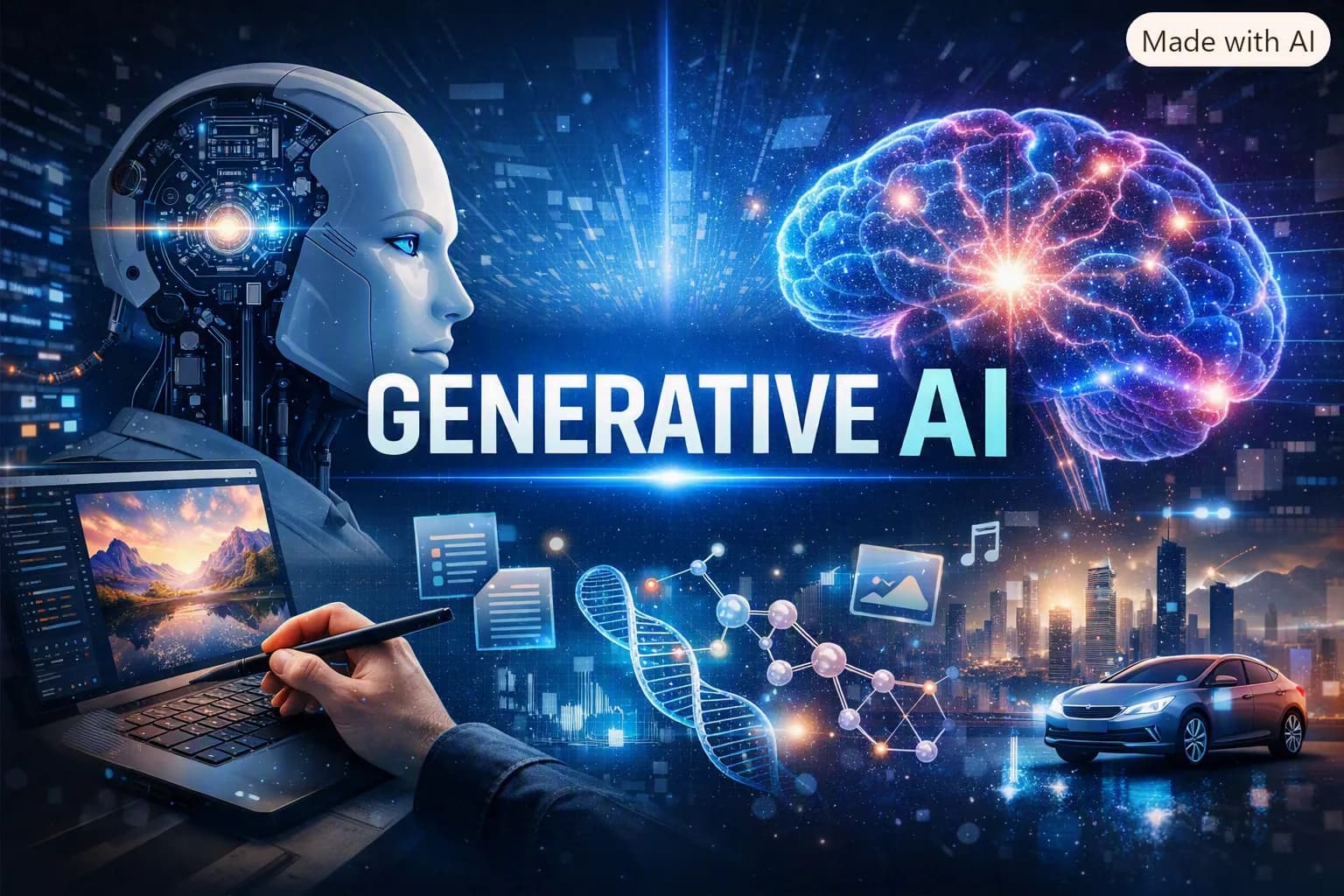
Artificial Intelligence (AI) is no longer just a research concept; it is actively transforming industries worldwide. From healthcare and logistics to retail and defense, AI adoption is reshaping workflows, decision‑making, and customer experiences. Healthcare: Generative AI is accelerating drug discovery and biomolecule design, reducing R&D timelines. Automotive & Logistics: Computer vision enables autonomous systems, improving safety and efficiency. Government & Private Sector: AI enhances governance, predictive analytics, and citizen services, while businesses leverage hyper‑personalization for customer engagement. Tech & Cloud: MLOps and continuous model governance ensure scalable, reliable AI deployments. Ethics: Responsible AI governance is critical to address algorithmic bias and ensure fairness. Conclusion: AI is not just a coding tool—it is a driver of global market impact. Organizations that embrace AI responsibly will gain competitive advantage, while those ignoring it risk falling behind.
Case Study · 126 years ago
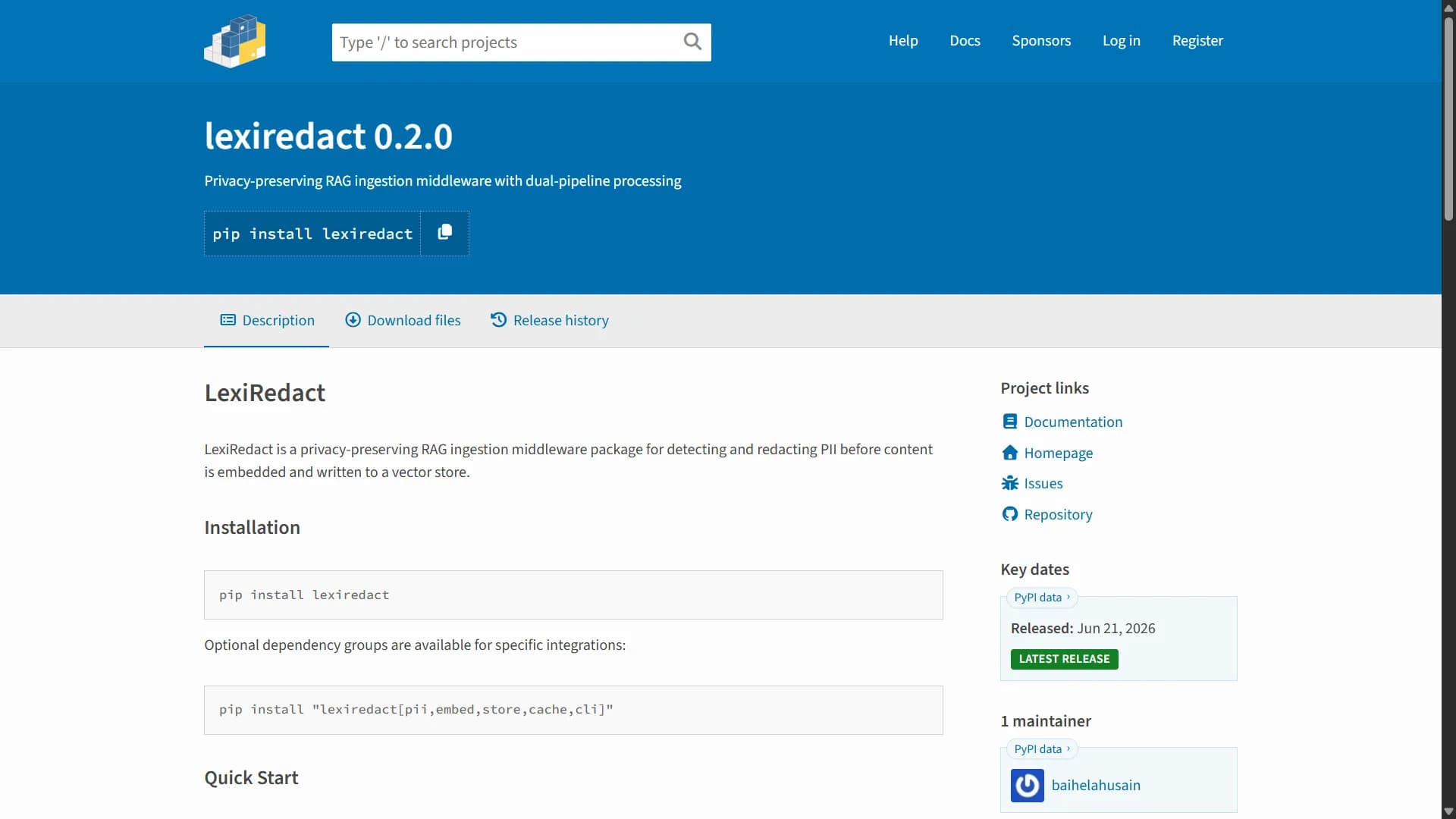
Everyone is talking about RAG. And for good reason, it solved a real problem. LLMs are powerful, but they only know what they were trained on. RAG gives them access to your documents, your databases, your private knowledge. But here's the question nobody asked loudly enough: What happens to sensitive data before it reaches the vector database? Let me make this concrete. A company wants an internal AI assistant. Employees upload HR documents, customer contracts, medical records. The RAG pipeline chunks them, generates embeddings, and stores everything in a vector database. The assistant works beautifully. But now you have a new problem — one you didn't plan for. You've just created a searchable, queryable store of some of the most sensitive data in your organization. And the LLM sitting in front of it will happily retrieve and surface any of it. That's not a model problem. That's an architecture problem. That question is what led me to build LexiRedact. LexiRedact is a privacy-preserving middleware layer that sits between your application and your vector database. Before any content is embedded and stored, it: Detects PII using Microsoft Presidio (names, emails, phone numbers, medical identifiers, and more). Redacts or pseudonymizes sensitive entities. Generates embeddings from the sanitized content only. Stores the privacy-preserving version in ChromaDB. The key design decision I obsessed over wasn't detection accuracy. It was this: Privacy that destroys retrieval quality is not a solution. It's a different problem. So LexiRedact is built around a dual-pipeline approach: one path that prioritizes privacy, one that balances privacy with retrieval utility because the right tradeoff depends on what the data is and how it will be used. What the numbers look like: PII Detection F1 Score: 82.5% Sensitive data reaching the vector store: reduced by 78.9% Stack: Presidio · ChromaDB · Redis · FastEmbed · FastAPI Published as an open-source Python package: pip install lexiredact What building this actually taught me Most AI engineering conversations are about model selection, embedding quality, and retrieval strategies. Those are important. But production AI systems have a different layer of hard problems: What data are you actually storing, and should you be storing it? Who can retrieve what, and under what conditions? If your vector database is breached, what is exposed? How do you audit what your RAG system retrieved and why? These aren't model problems. They're system design and data governance problems. And they don't get solved by choosing a better LLM. The most interesting AI engineering work right now isn't happening at the model layer. It's happening in the infrastructure around it. If you're building RAG systems at your organization , I'd genuinely like to know: is data privacy part of your ingestion pipeline, or is it something you're handling downstream? Why this beats everything else on that platform: Every other post is opinion. This has a published PyPI package with a release date as evidence The hook is a problem, not a project pitch recruiters keep reading The metrics (82.5 F1, 78.9% reduction) are specific and verifiable The closing question invites engagement without begging for likes It positions you as someone who thinks about systems, not just models, which is exactly what an AI Engineer role requires Link: https://pypi.org/project/lexiredact/
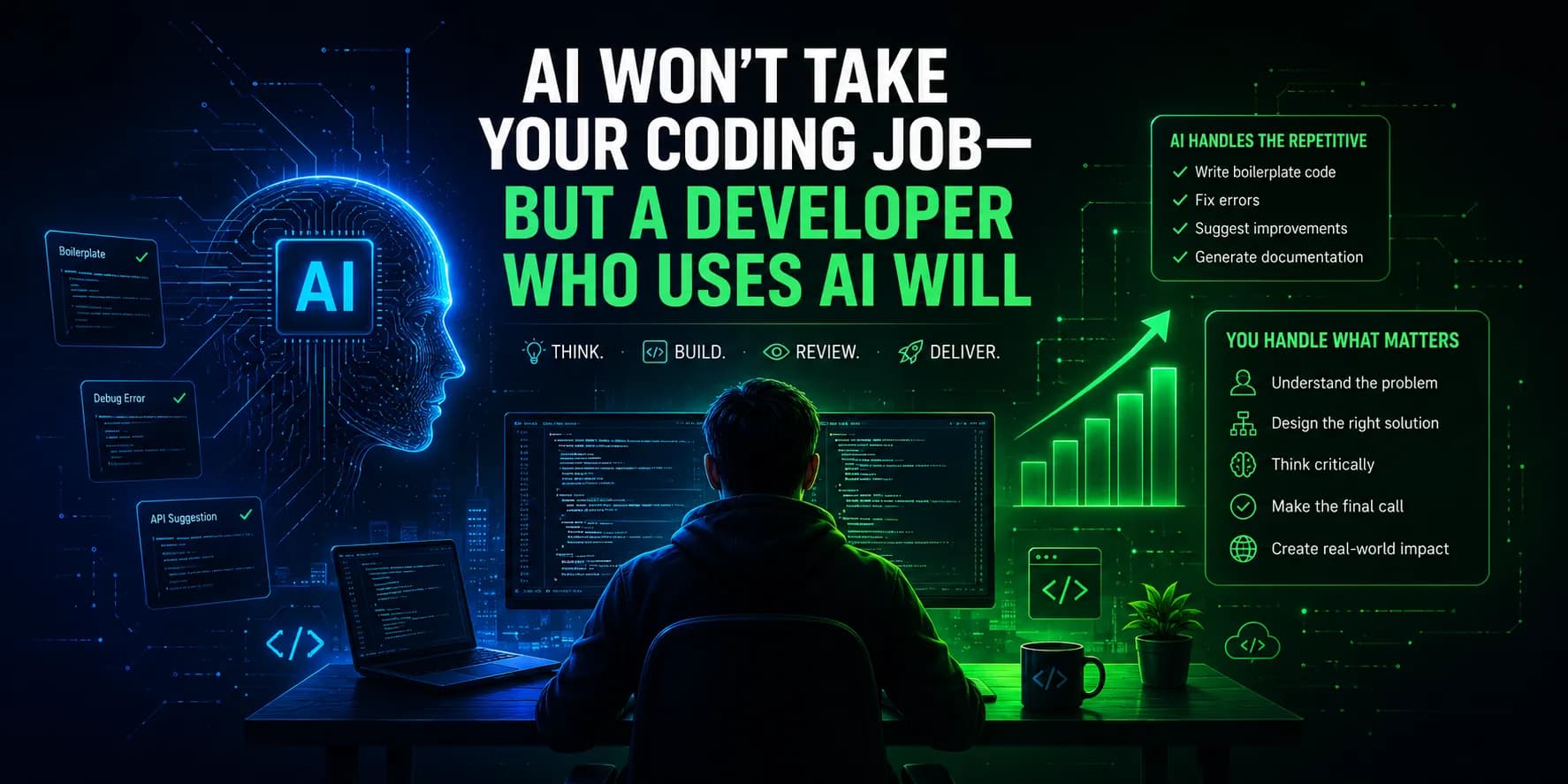
A year ago, "AI will replace programmers" was the scariest sentence a junior developer could hear. Today, having sat on both sides of that fear as someone actually building apps for a living, I think the sentence is wrong — not because AI isn't powerful, but because it's aimed at the wrong target. WHAT AI ACTUALLY DOES IN A DEVELOPER'S DAY As someone working with Flutter and Node.js on real client projects, I use AI tools daily — to scaffold boilerplate, debug a stubborn error, or suggest a cleaner way to structure an API call. What it does NOT do is understand the client's actual problem, decide which architecture fits a shaky requirement that will change next sprint, or notice that a "small" feature request will quietly break three other screens. That judgment still comes from a person who understands the product, not just the syntax. CODING IS SHIFTING, NOT DISAPPEARING The job of "type code exactly as instructed" is genuinely shrinking. But that was never the valuable part of development — it was always the thinking behind the code: breaking down a vague requirement, designing data flow, catching edge cases before they become bugs. AI has actually raised the bar here. When boilerplate takes minutes instead of hours, the developer's real value moves further up — into problem-solving, system design, and reviewing what the AI produced with a critical eye. MORE OPPORTUNITY, NOT LESS — IF YOU ADAPT For freshers and junior developers especially, this is a real opening, not just a threat. AI lets a small team or a single junior developer prototype faster, ship features they couldn't have alone, and learn new stacks faster because there's now a tireless tutor available at 2 a.m. debugging a Flutter widget tree. The developers who struggle aren't the ones who use AI — they're the ones who stop understanding why the code works, treating AI output as magic instead of a draft to review. THE REAL SKILL FOR THE NEXT DECADE The industry isn't moving toward "no coders." It's moving toward developers who can direct AI well: write a clear prompt, evaluate the output, catch what it got wrong, and own the final decision. That's a higher bar than just knowing syntax — and it's one every developer, fresher or senior, can start clearing today. AI isn't fading coding out. It's fading out the part of coding that was never the hard part to begin with. Curious how other devs here are using AI day-to-day — replacing tasks, or just speeding them up?
Analysis · 126 years ago
Artificial Intelligence is changing the way companies work, especially in the software development field. Today, AI-based coding tools can help developers write code, find errors, generate documentation, create test cases, and even suggest different ways to solve a problem. In my opinion, AI should not be seen as something that simply replaces developers. Instead, it should be used as a tool that helps developers work smarter and more efficiently. I think organizations are now starting to expect developers to be comfortable working with AI tools. Knowing programming languages is still very important, but developers also need to know how to use AI-generated solutions correctly. They should be able to check the code, understand what it is doing, find possible mistakes, and make changes when necessary. This means that problem-solving and logical thinking are becoming just as important as writing code. AI coding tools can save a lot of time on repetitive tasks. For example, developers can use them to generate basic code, fix simple errors, create test cases, or prepare documentation. This gives developers more time to focus on the parts of a project that require creativity, proper planning, and deeper technical thinking. However, I don't think developers should completely depend on AI. AI-generated code is not always correct and can sometimes contain security issues, inefficient solutions, or mistakes that may not be immediately obvious. A developer with a good understanding of programming fundamentals can identify these problems and make better decisions. Human judgment is still very important when working with real-world applications and sensitive data. AI is also changing what it means to be a good software developer. In the future, I believe developers will need to be good at understanding problems, asking the right questions, using AI tools effectively, and evaluating the solutions they receive. They will also need to keep learning because AI technologies and development tools are changing very quickly. Organizations also need to make sure their employees understand the responsible use of AI. There should be proper guidelines for handling confidential information, protecting user data, maintaining security, and checking AI-generated content before using it in real projects. Overall, I believe AI-based coding platforms will make software development faster and more efficient, but they will not remove the need for skilled developers. The best results will come from combining human creativity, technical knowledge, and problem-solving skills with the capabilities of AI. For me, learning how to work alongside AI is an important part of becoming a better software and AI engineer.

Analysis · 126 years ago
Artificial Intelligence is changing the way mobile applications are designed, developed, and used. Mobile applications are no longer limited to displaying information or performing predefined tasks. With AI, applications can understand user needs, personalize experiences, automate tasks, and provide intelligent assistance. As a mobile developer, I believe AI will become an important part of modern mobile application development. Developers can integrate AI into applications through APIs, machine learning models, recommendation systems, natural language processing, and intelligent automation. One major impact of AI is personalization. Mobile applications can understand user preferences and provide more relevant recommendations and experiences. AI can also automate repetitive tasks and help users make better decisions. For example, an AI powered productivity application can analyze tasks, priorities, and workload to suggest a better schedule. AI is also changing the way developers build applications. AI coding assistants can help developers generate code, understand errors, debug problems, and explore different implementation approaches. However, I don't believe AI will completely replace software developers. Developers still need to understand requirements, architecture, security, performance, user experience, and the overall product. AI can increase developer productivity, but human judgment remains important. From my own experience building an AI powered iOS learning application, I have seen how AI can be combined with native mobile technologies to create more useful products. Features such as AI tutoring, document processing, automated flashcard generation, and intelligent quizzes can make a mobile application more interactive and personalized. In the future, I believe the strongest mobile applications will combine good product design, native mobile technologies, and AI capabilities. Developers who understand both mobile development and AI will be able to build applications that are not only functional but also intelligent and adaptive. The important change is therefore not "AI versus developers." It is "developers using AI to build better products." Learning how to use AI effectively while maintaining strong programming and software engineering fundamentals will be an important skill for the next generation of developers.
Trend Insight · 126 years ago
Artificial Intelligence is changing the way software is developed. AI-powered coding tools can now generate code, explain unfamiliar code, identify bugs, create documentation, and help developers complete repetitive tasks much faster. This naturally raises an important question: Will AI replace software developers? In my opinion, AI will replace some repetitive coding tasks, but it will not replace good software developers. Instead, it will change what is expected from developers and how software is built. AI as a Developer's Productivity Tool As a mobile application developer working with Flutter, Dart, Kotlin, and Android, I see AI as a powerful productivity tool. AI can help developers generate UI components, understand APIs, debug errors, write repetitive code, create test cases, and explore different approaches to solving a problem. This allows developers to spend more time thinking about the actual product instead of spending hours on repetitive implementation. However, generating code is only one part of software development. A developer still needs to understand the business requirements, decide how the application should be structured, design the architecture, manage application state, consider security and performance, handle edge cases, and make sure that the final implementation works reliably in the real world. What My Experience Has Taught Me While working on real-world mobile applications, I have learned that many challenging problems are not simply about writing code. In Flutter applications, I have worked with technologies such as Firebase, REST APIs, GetX, SQLite, Razorpay, and Agora for real-time voice and video calling. I have worked on e-commerce functionality, real-time data synchronization, offline-first applications, payment integrations, background processing, and production issues. In these situations, having an AI tool generate a piece of code can be useful, but the developer still needs to understand how that code fits into the complete application. Solving a production issue often requires understanding the interaction between multiple components, identifying the actual root cause, considering edge cases, and choosing a reliable solution. AI can assist with this process, but the responsibility for the final technical decision remains with the developer. AI Is Changing What Companies Expect I believe organizations will increasingly expect developers to be comfortable working with AI-based development tools. Previously, productivity was often associated with how quickly a developer could write code. In the future, productivity may depend more on how effectively a developer can use AI while still maintaining strong engineering practices. This means developers should not focus only on learning AI tools. They should also strengthen their fundamentals in programming, databases, APIs, architecture, debugging, security, and system design. A developer who understands these fundamentals can use AI much more effectively because they can evaluate whether the generated solution is actually correct, secure, maintainable, and suitable for the project. AI Will Also Create New Opportunities AI is not only automating existing work; it is also creating new areas of development. Companies are building AI-powered applications, intelligent assistants, recommendation systems, automation platforms, and AI-enabled features for existing products. This creates opportunities for developers who are willing to learn and adapt. The developers who benefit the most may not be those who compete with AI, but those who learn how to work effectively with it. The Future: AI + Developers I don't believe the future of software development is AI versus developers . I believe it is AI + developers . AI can help developers write code faster, learn unfamiliar technologies, explore solutions, and reduce repetitive work. Developers bring problem-solving ability, creativity, product understanding, architectural thinking, and responsibility for the final software. Some basic coding tasks will likely become increasingly automated. But software engineering is much more than writing code. The important skill for developers going forward will be the ability to understand problems, make good technical decisions, and use AI effectively to build reliable solutions . As a Flutter and Android developer, I see AI as an opportunity to become more productive and continuously improve my skills. Instead of worrying about whether AI will end programming careers, I believe developers should focus on learning how to use it responsibly and effectively. The future of coding may involve less time writing code and more time thinking about the right code to write.
Artificial Intelligence (AI) is transforming the software industry by helping developers work faster and smarter. AI-powered tools can generate code, detect bugs, automate testing, and improve productivity. Instead of replacing developers, AI acts as an assistant that saves time and allows programmers to focus on solving real-world problems. Although AI can automate repetitive tasks, it cannot replace human creativity, logical thinking, and decision-making. Developers are still needed to design applications, understand user requirements, and build secure, high-quality software. AI is also creating new career opportunities in areas such as Machine Learning, Data Science, AI Engineering, and AI-powered mobile app development. Developers who learn AI tools and continuously improve their skills will have better career growth. In conclusion, AI is not replacing coding jobs. It is changing the way developers work and creating more opportunities for those who are willing to learn and adapt.

Analysis · 126 years ago
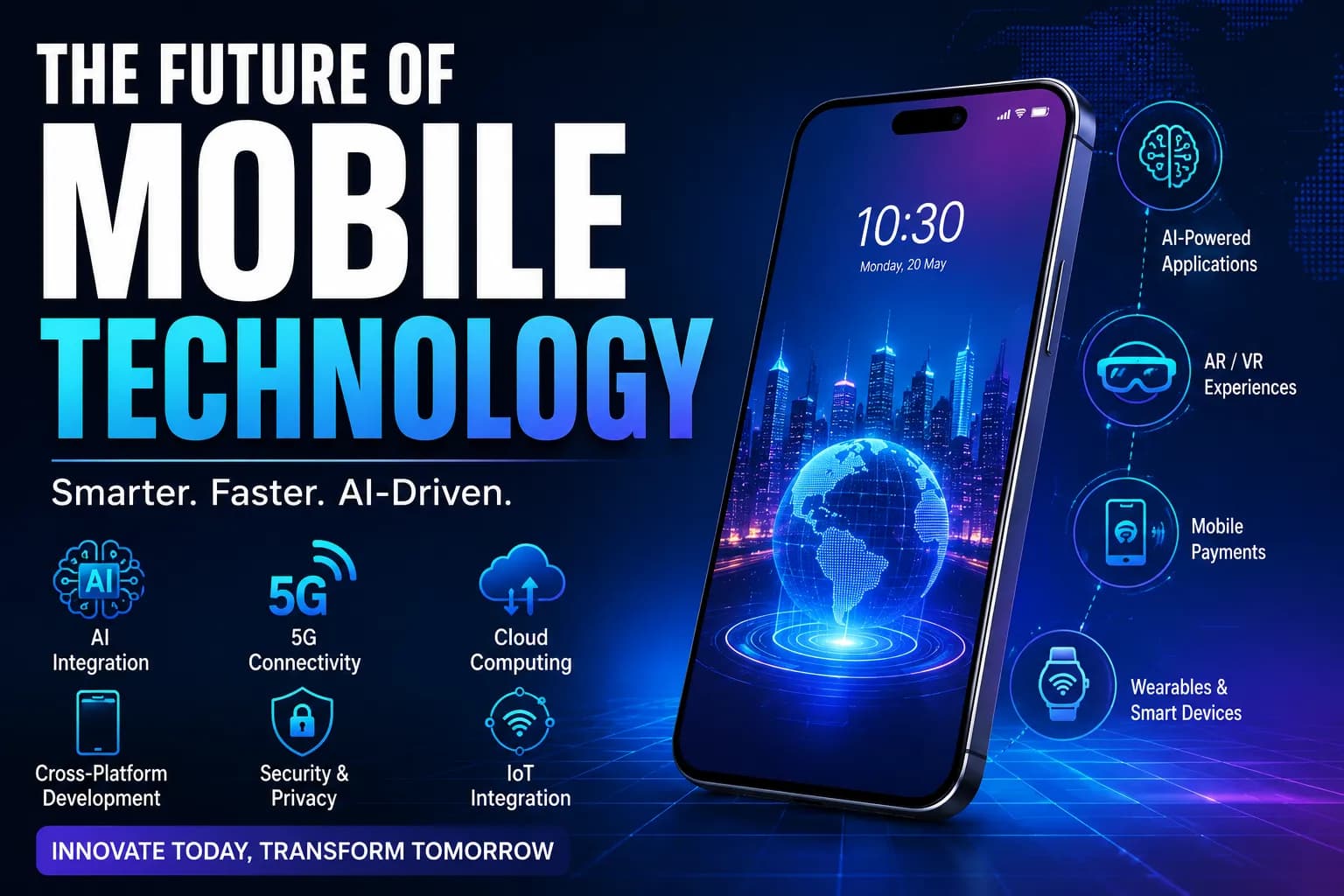
Mobile technology has evolved from simple communication devices to powerful platforms that connect people, businesses, and services worldwide. Today, smartphones are used for education, healthcare, banking, shopping, entertainment, navigation, and workplace productivity. With rapid advancements in Artificial Intelligence (AI), 5G, cloud computing, and the Internet of Things (IoT), mobile technology is entering a new era of innovation. One of the most significant trends in mobile technology is the integration of AI. Modern mobile applications are becoming more intelligent by offering personalized recommendations, voice assistants, real-time language translation, image recognition, chatbots, and predictive search. AI enhances user experience by understanding user behavior and delivering faster, more relevant services. The rollout of 5G technology has further accelerated mobile innovation. With higher speeds, lower latency, and improved connectivity, applications such as augmented reality (AR), virtual reality (VR), cloud gaming, telemedicine, and smart city solutions are becoming more practical and accessible. Mobile devices are no longer limited by hardware alone, as cloud computing enables them to perform complex tasks efficiently. Cross-platform development frameworks like Flutter have also transformed mobile app development. Developers can build high-performance applications for Android, iOS, web, and desktop using a single codebase. This approach reduces development time, lowers costs, and ensures a consistent user experience across multiple platforms. Security and privacy remain essential aspects of mobile technology. Features such as biometric authentication, secure encryption, multi-factor authentication, and AI-based fraud detection help protect user data and build trust in digital applications. Looking ahead, mobile technology will continue to evolve with innovations such as foldable devices, wearable technology, AI-powered personal assistants, edge computing, and smarter IoT integration. These advancements will create new opportunities for businesses while improving the daily lives of millions of users. As a Flutter developer, I believe the future of mobile technology lies in creating intelligent, secure, and user-centric applications. Developers who continuously learn emerging technologies and embrace AI-driven development will play a vital role in shaping the next generation of mobile experiences. In conclusion, mobile technology is not just about smartphones anymore—it is the foundation of the digital world. Its continuous evolution will drive innovation, improve connectivity, and empower businesses and individuals to achieve more in the years ahead.
Case Study · 126 years ago
Main "AI and Job Impact: AI is Creating Better Opportunities, Not Replacing Developers" topic choose karta. Reason: Flutter Developer role ke liye relevant hai. Tum daily AI use karte ho. Interview me isi topic par questions aane ke chances zyada hain. Generic "Future of AI" se zyada practical lagega. AI and Job Impact: AI is Creating Better Opportunities, Not Replacing Developers Artificial Intelligence has become one of the most transformative technologies in the software industry. Many people believe that AI will replace programmers and reduce job opportunities. However, I believe AI is changing the way developers work rather than replacing them. AI significantly improves productivity by helping developers generate code, debug applications, explain complex concepts, write documentation, and explore multiple implementation approaches in less time. This allows developers to focus more on architecture, business logic, user experience, and solving real-world problems. In mobile application development, AI tools can assist in generating Flutter widgets, suggesting optimized code, integrating APIs, and identifying bugs. However, AI cannot fully understand business requirements, user expectations, security concerns, scalability, or product strategy. These responsibilities still require human decision-making and technical knowledge. From my experience, AI works best as a development assistant rather than a replacement for developers. I regularly use AI tools such as ChatGPT, Claude, and research assistants to understand business requirements, compare technical solutions, explore implementation approaches, and improve development speed. Every AI-generated output is reviewed, modified, tested, and optimized before becoming part of the final product. The expectations of software companies are also changing. Today, organizations value developers who can quickly learn new technologies, effectively utilize AI tools, solve business problems, and deliver quality software faster. Developers who combine technical knowledge with AI-assisted workflows are becoming more productive and valuable. Rather than reducing opportunities, AI is creating new roles such as AI Product Developer, AI Integration Engineer, AI Workflow Specialist, AI Automation Engineer, and AI Application Developer. Companies are increasingly seeking professionals who can combine programming skills with AI to build practical business solutions. In conclusion, AI is not replacing software developers. Instead, it is transforming software development by increasing productivity, accelerating learning, and enabling developers to build better digital products. The future belongs to professionals who continuously learn, adapt to new technologies, and use AI responsibly to solve real-world problems.
When I started learning Flutter, I also started using AI. At first, I used it only to fix coding errors. Then, I started asking doubts and learning new topics with its help. It made learning a little easier for me. Sometimes AI gives good code, but I don't think we should copy everything. If we don't understand the code, it won't help us in interviews or real projects. I usually read the code and try it myself before using it. Many people say AI will replace programmers. I don't think that will happen completely. Every app is different. Developers still need to understand what the client wants, think about the best solution, test the app, and fix problems. AI can help with these tasks, but it cannot do everything on its own. I think AI is changing the way developers work. Instead of spending more time on small tasks, developers can finish them faster and spend more time solving real problems. That is a good change. As a fresher, I don't see AI as a threat. I see it as a learning partner. If we keep improving our skills and learn how to use AI properly, I believe there will be more opportunities in the future.
Case Study · 126 years ago
A few years ago, learning to code meant spending hours understanding syntax, debugging errors, and searching through documentation to solve even the smallest problems. Today, things look very different. AI-powered tools can generate code, explain complex concepts, suggest optimizations, and even identify bugs within seconds. This has led to one question being asked repeatedly across classrooms, workplaces, and online communities: Will AI replace software developers? After spending time learning software development, building academic projects, and experimenting with AI tools, I have come to a different conclusion. AI is not replacing developers—it is changing how developers work. The demand for programmers who can think critically, solve problems, and build meaningful software is not disappearing. Instead, AI is becoming another tool that helps developers focus on creating better products rather than spending time on repetitive tasks. AI Is Changing the Way We Build Software Software development has never been just about writing code. Before a single line of code is written, developers spend time understanding user requirements, designing solutions, planning system architecture, and considering future scalability. These are areas where human judgment is essential. AI has become exceptionally good at supporting developers during implementation. It can suggest code snippets, generate boilerplate code, recommend improvements, and explain unfamiliar libraries. However, it still depends on the developer to provide the right direction. Without understanding the problem, AI cannot produce a reliable solution. In many ways, AI is similar to a highly capable assistant. It can speed up execution, but it still relies on human decision-making. Developers Are Becoming Problem Solvers, Not Just Coders One of the biggest shifts brought by AI is the growing importance of problem-solving skills. Earlier, technical interviews often focused heavily on writing code from scratch. While coding remains important, companies today increasingly value candidates who can understand business requirements, break down complex problems, communicate effectively, and design practical solutions. A developer who understands system design, databases, APIs, user experience, and software architecture will always have an advantage over someone who only knows syntax. AI can generate code, but it cannot fully understand why one business solution is better than another. That responsibility continues to belong to developers. AI Has Increased Productivity Rather Than Eliminated Jobs Every major technological advancement has created similar concerns. When high-level programming languages became popular, many believed assembly programmers would become obsolete. When frameworks like Flutter, React, and Spring Boot simplified development, some predicted fewer software jobs. Instead, these technologies enabled developers to build more applications in less time, creating entirely new opportunities. AI follows the same pattern. Instead of replacing developers, it allows teams to deliver products faster. Companies can now experiment with more ideas, automate repetitive work, improve software quality, and reduce development time. As productivity increases, the demand for skilled professionals who can manage larger and more complex systems also grows. History shows that technology often changes the nature of work rather than eliminating it. AI and Mobile App Development As someone interested in mobile application development, I find AI especially exciting. Modern mobile applications are becoming more intelligent than ever before. Features like voice assistants, image recognition, personalized recommendations, language translation, document scanning, and AI chatbots are becoming common expectations rather than premium features. Frameworks like Flutter make it easier to build applications across multiple platforms, while AI services provide capabilities that were difficult to implement just a few years ago. The future mobile developer will not only build attractive user interfaces but will also know how to integrate AI into everyday applications to solve real user problems. What Students Should Learn in the AI Era For students preparing to enter the software industry, AI should not be viewed as a shortcut. It should be viewed as a learning companion. While AI can explain concepts and generate examples, students still need to understand programming fundamentals, data structures, algorithms, databases, networking, and software engineering principles. These concepts form the foundation that allows developers to evaluate AI-generated solutions instead of accepting them blindly. The developers who will succeed are not those who avoid AI or depend entirely on it. They will be the ones who combine technical knowledge with AI tools to build better software more efficiently. The Human Skills That AI Cannot Replace Software is ultimately built for people. Understanding users, collaborating with teams, discussing ideas with clients, making design decisions, and taking responsibility for product quality all require human skills. Creativity, communication, leadership, empathy, and critical thinking remain difficult to automate because they involve context, experience, and judgment. A successful developer is not simply someone who writes code. It is someone who understands people, identifies problems worth solving, and delivers reliable solutions. These qualities become even more valuable as AI continues to improve. Looking Ahead The conversation should no longer be about whether AI will replace developers. A better question is: How can developers use AI to become better engineers? Every generation of technology has introduced new tools that changed how software is built. AI is simply the latest step in that journey. Developers who continue learning, adapt to new technologies, and strengthen their fundamentals will continue to find opportunities in this evolving industry. Rather than replacing software professionals, AI is encouraging them to focus on higher-value work—designing better systems, solving meaningful problems, and creating applications that improve people's lives. For students entering the industry today, this is not something to fear. It is an opportunity to build a career where human creativity and artificial intelligence work together instead of competing against each other.
Case Study · 126 years ago
Artificial Intelligence (AI) has become one of the most transformative technologies of the modern era. From healthcare and finance to education and software development, AI is changing how organizations operate and how people perform their jobs. While some fear that AI will replace human workers, the reality is more balanced. AI is reshaping jobs by automating repetitive tasks, increasing productivity, and creating new career opportunities that require human creativity, critical thinking, and technical expertise. How AI Is Transforming Jobs AI excels at handling repetitive and data-intensive tasks. Businesses use AI-powered systems to automate customer support, analyze large datasets, generate reports, detect fraud, and improve decision-making. This allows employees to spend more time on strategic work, innovation, and solving complex business problems. For example, software developers use AI coding assistants to generate boilerplate code, identify bugs, and improve code quality. Rather than replacing developers, these tools help them work faster and focus on designing scalable and maintainable applications. New Career Opportunities As AI adoption grows, the demand for skilled professionals is increasing across multiple industries. Organizations are hiring AI Engineers, Machine Learning Engineers, Data Scientists, AI Product Managers, Prompt Engineers, AI Security Specialists, and Cloud Engineers. Traditional roles are also evolving, with AI becoming a valuable skill for software developers, digital marketers, business analysts, healthcare professionals, and educators. Professionals who continuously learn new technologies and adapt to changing industry requirements will have greater career opportunities in the AI-driven economy. Challenges of AI in the Workplace Despite its advantages, AI also presents several challenges. Routine and repetitive jobs are more likely to be automated, requiring workers to upgrade their skills. Ethical concerns such as data privacy, algorithmic bias, misinformation, and responsible AI usage are becoming increasingly important. Organizations must ensure that AI systems are transparent, secure, and compliant with legal and ethical standards. At the same time, employees should develop technical and problem-solving skills to remain competitive. AI as a Productivity Partner AI should be viewed as a productivity partner rather than a replacement for human intelligence. Human qualities such as creativity, emotional intelligence, leadership, communication, and ethical judgment cannot be fully replicated by machines. The best outcomes are achieved when AI supports human expertise instead of replacing it. In software development, AI can generate code suggestions and automate testing, but developers are still responsible for system architecture, business logic, security, performance optimization, and user experience. Preparing for the Future To succeed in an AI-driven world, professionals should focus on continuous learning. Building skills in programming, cloud computing, data analysis, cybersecurity, AI fundamentals, and communication will improve long-term career prospects. Companies should also invest in employee training to help their workforce adapt to technological advancements. Educational institutions can play an important role by integrating AI literacy, practical projects, and problem-solving skills into their curricula. Conclusion Artificial Intelligence is transforming the future of work by increasing efficiency, enabling innovation, and creating new career opportunities. Although some traditional roles may evolve or disappear, AI is also generating demand for new skills and professions. The future belongs to individuals who embrace continuous learning, adapt to technological change, and combine AI tools with human creativity and critical thinking. Rather than replacing people, AI has the potential to empower professionals and drive sustainable growth across industries.

Market Study · 126 years ago
In today’s competitive digital landscape, achieving top rankings on Google is essential for business growth. Companies that fail to invest in a structured SEO strategy often struggle with visibility, lead generation, and long-term scalability. For businesses in Surat, selecting the right SEO partner can directly impact revenue and market position. From a professional SEO expert’s perspective, the difference between an average agency and a top SEO company lies in strategy, execution, and measurable outcomes. Brainy Advertising Agency has positioned itself as a leading SEO company in Surat by consistently delivering data-driven, result-oriented solutions. What Defines a Top SEO Company? A professional SEO agency is not defined by promises, but by its ability to execute and sustain rankings. Key factors include: Strategic Planning A clear SEO roadmap based on keyword research, competitor analysis, and search intent. Technical Expertise Strong understanding of website architecture, crawlability, indexing, and performance optimization. Content Authority Development of high-quality, relevant, and search-optimized content. Data Transparency Regular reporting with actionable insights and performance tracking. Adaptability Ability to adjust strategies based on algorithm updates and market trends. Brainy Advertising Agency meets all these criteria with a structured and scalable approach. Why Brainy Advertising Agency is the Top SEO Company in Surat 1. Data-Driven SEO Approach Brainy focuses on analytics and performance metrics rather than assumptions. Every campaign is built on: Advanced keyword research Competitor gap analysis Search intent mapping This ensures that efforts are aligned with actual market demand. 2. Strong Local SEO Expertise For businesses targeting local customers, visibility in location-based searches is critical. Brainy specializes in: Google Business Profile optimization Local keyword targeting Map (Local 3-Pack) rankings Citation and review management This significantly improves local search presence and lead generation. 3. Advanced Technical SEO Capabilities Technical SEO is the backbone of sustainable rankings. Brainy ensures: Fast-loading, mobile-optimized websites Proper indexing and crawlability Core Web Vitals optimization Structured data (schema markup) implementation These factors directly impact search engine performance and rankings. 4. Content That Matches Search Intent Modern SEO is driven by user intent. Brainy develops content that is: Keyword-optimized yet user-focused Structured for readability and engagement Designed to increase dwell time and reduce bounce rates This approach strengthens both rankings and user experience. 5. Ethical (White-Hat) SEO Practices Long-term success depends on following search engine guidelines. Brainy uses: Natural link-building strategies High-quality backlinks Ethical optimization techniques This ensures stable rankings without the risk of penalties. 6. ROI-Focused Execution SEO is not just about traffic—it’s about results. Brainy aligns its strategies with: Lead generation Conversion rate optimization Revenue growth Every campaign is designed to deliver measurable business outcomes. SEO Process Followed by Brainy Advertising Agency A structured workflow is essential for consistent results. Brainy follows a proven SEO process: 1. Research & Audit Website audit Keyword research Competitor analysis 2. Strategy Development SEO roadmap creation Content planning Target page optimization 3. Implementation On-page SEO Technical improvements Content deployment 4. Authority Building High-quality backlink acquisition Brand mentions and outreach 5. Monitoring & Optimization Performance tracking Ranking analysis Continuous improvements This systematic approach ensures scalability and long-term success. SEO vs Paid Advertising: Expert Insight While paid advertising delivers immediate traffic, it stops when the budget ends. SEO, on the other hand: Provides long-term visibility Builds brand credibility Reduces dependency on ads Generates consistent organic traffic For businesses in Surat, SEO remains the most cost-effective digital marketing strategy. Why Businesses Choose Brainy Advertising Agency From an expert standpoint, Brainy stands out due to: Proven track record of rankings Deep understanding of local markets Transparent communication Customized SEO strategies Consistent performance delivery These qualities make Brainy a reliable growth partner. Conclusion Choosing the right SEO company is a critical business decision. A well-executed SEO strategy not only improves rankings but also drives sustainable growth and long-term profitability. Brainy Advertising Agency combines technical expertise, strategic planning, and performance-driven execution, making it the top SEO company in Surat for businesses aiming to dominate search results.


Case Study · 126 years ago
Ayurveda Meet Modern Science: A Global Shift Toward Natural, Knowledge-Driven Wellness Ayurveda Meets Modern Science: A Global Shift Toward Natural, Knowledge-Driven Wellness For thousand of years, Ayurveda — literally "the science of life" — has guided how millions live, eat, heal and age. What was once seen as folk tradition is now entering laboratories, hospitals, wellness apps and global policy rooms. Around the world, people are no longer choosing between ancient wisdom and modern medicine; they are learning to combine them. This article explores how Ayurveda is being adopted alongside modern science, how it is becoming a knowledge service rather than a closed tradition, why Japan stands out as a model of natural and traditional culture, and what positive changes this shift can bring to your life. The Rise of Ayurveda as a Global Knowledge Service From Oral Tradition to Open Knowledge Ayurveda was historically passed down through families, gurukuls and handwritten manuscripts. Today, that knowledge is being digitized, structured and shared at scale. Classical texts are being translated and placed online, research foundations are building open-access databases, and peer-reviewed journals now publish Ayurvedic case reports and clinical studies. This transformation matters. When knowledge is documented and made searchable, it stops being a mystery and becomes a service — something a doctor in Berlin, a yoga teacher in California or a new mother in Tokyo can actually use. Knowledge Services Powering the Wellness Economy The modern wellness movement runs on information. People want to understand what they put on their skin and into their bodies. Ayurvedic knowledge services — blogs, courses, consultations, dosha quizzes, ingredient explainers — answer that demand. When tradition becomes teachable, it becomes trustworthy. Brands today don't just sell oils and herbs; they educate. A consumer learning why a dry scalp needs a different oil than an oily scalp, or how a newborn massage supports sleep and circulation, is far more likely to adopt these practices for life. How the World Is Blending Ayurveda With Modern Science Integrative Medicine Goes Mainstream The most important global trend is integration — using traditional and modern systems together rather than treating them as rivals. The World Health Organization has actively supported this direction, establishing a Global Centre for Traditional Medicine in India and hosting its first Traditional Medicine Global Summit alongside a G20 health meeting. The WHO has noted that the vast majority of its member states already use some form of traditional medicine and want better evidence to guide its safe, equitable use. Research Is Catching Up Scientific institutions are increasingly studying the biochemistry behind Ayurvedic theories — examining herbs, formulations and lifestyle practices through clinical trials and laboratory analysis. It's worth being honest here: the evidence base is still maturing. Some Ayurvedic practices have promising scientific support, while others await rigorous testing. The healthiest global attitude is neither blind faith nor blanket dismissal — it is curiosity backed by evidence. That balanced mindset is exactly what's driving credible adoption. Why People Are Choosing This Path Across continents, the motivations look similar: • Fewer harsh chemicals in daily skincare and personal care. • Preventive, lifestyle-first approaches to health rather than purely reactive treatment. • Personalization — Ayurveda's focus on individual constitution (dosha) fits perfectly with the modern appetite for tailored wellness. • Sustainability — plant-based, locally sourced ingredients align with environmental values. Japan: A Living Model of Traditional and Natural Culture If you want to see how a modern, high-tech nation can honor traditional and natural medicine, look at Japan. Kampo: Traditional Medicine Inside a Modern Health System Japan practices Kampo (漢方) — a traditional herbal medicine system adapted from Chinese medicine and refined over centuries to suit Japanese needs. What makes Japan remarkable is that Kampo isn't fringe; it is woven into the national healthcare system. Standardized and Trusted Around 148 Kampo formulations are approved for reimbursement under Japan's National Health Insurance, and the Japanese Pharmacopoeia lists scores of approved herbal ingredients. These medicines are produced under strict, pharmaceutical-grade manufacturing standards — meaning a herbal remedy carries the same quality assurance as a conventional drug. Doctors Actually Prescribe It This is not symbolic. A nationwide study found that a large majority of registered Japanese physicians prescribe Kampo medicines. In Japan, a patient might receive a modern diagnostic test and a traditional herbal formula in the very same clinic — integration in its truest sense. A Culture That Lives Naturally Japan's affinity for natural wellness goes far beyond medicine. Consider: • Centuries-old herbal apothecaries still run by the same families across dozens of generations — living proof of continuity between past and present. • Forest bathing (shinrin-yoku), now studied worldwide for its stress-reducing effects. • Mindful diets rich in fermented foods, green tea and seasonal eating. • A deep cultural respect for ritual, balance and longevity — values Ayurveda shares almost exactly. Japan demonstrates a powerful truth: embracing tradition does not mean rejecting science. It means letting both raise the standard of life. Why You Should Adopt Ayurvedic and Natural Living It Treats You as a Whole Person Modern medicine excels at fixing acute problems. Ayurveda excels at daily balance — sleep, digestion, stress, skin and energy. Together they cover both the emergency and the everyday. It Builds Habits, Not Just Cures An Ayurvedic routine (dinacharya) — oiling the hair, massaging the body, eating mindfully, sleeping on rhythm — turns wellness into a daily practice rather than an occasional rescue. These small rituals compound into lasting health. It Respects Your Skin and Your Planet Choosing natural, herb-based personal care means fewer synthetic additives on your body and a lighter footprint on the earth. For many families, that peace of mind is reason enough. The Positive Changes This Shift Brings For Individuals • Healthier skin and hair through gentle, plant-based care. • Lower stress and better sleep via mindful routines. • Greater body literacy — you understand your own constitution and needs. • Confidence that comes from informed, intentional choices. For Communities and Culture • Preservation of ancient knowledge for future generations. • Support for natural, often local, supply chains and small producers. • A bridge between cultures — Indian Ayurveda, Japanese Kampo, Indonesian Jamu and others enriching one another. For the Future of Medicine The biggest change is philosophical. The world is moving from "traditional or modern" to "traditional and modern." This integrative future promises healthcare that is preventive, personalized, evidence-aware and humane — drawing on the best of five-thousand-year-old wisdom and cutting-edge research at once. Final Thoughts Ayurveda's global moment is not about nostalgia. It is about relevance. As knowledge services make ancient wisdom accessible, as modern science tests and validates what works, and as cultures like Japan prove that tradition and technology can thrive together, more people are discovering a calmer, cleaner, more balanced way to live. You don't have to abandon modern medicine to embrace natural wellness — you simply have to open the door to both. Start small: a mindful routine, a natural oil, a more intentional meal. The science of life, after all, was always meant to be lived.
Post your requirement once and verified vendors come to you. Raise an RFQ, RFI or RFP in a couple of minutes.



Oct 22 - 24, 2026 • Greater Noida

Jun 11 - 13, 2027 • Hyderabad
 Public
The Innovation Hub is a dynamic community dedicated to driving change, fostering creativity, and translating breakthrough ideas into tangible impact. Whether you are developing new products, optimizing systems, or rethinking existing workflows, this group serves as a launchpad for forward-thinking initiatives. Who Should Join: Innovators & Visionaries: Anyone with a passion for brainstorming novel ideas and challenging the status quo. Problem-Solvers & Builders: Professionals, engineers, creators, and strategists eager to design, execute, and scale solutions. Domain Experts & Collaborators: Team members across all departments looking to contribute domain knowledge, mentor others, or collaborate on cross-functional projects.

The strength of any door, window, cabinet, or industrial fixture often depends on a component that many people overlook—hardware fittings. From ensuring smooth movement to providing long-term durability, hinges and hardware accessories play a crucial role in residential, commercial, and industrial construction projects. For builders, contractors, architects, furniture manufacturers, and hardware dealers seeking dependable solutions, INDIAN HARDWARE has emerged as a reliable supplier of door hinges, window hinges, stainless steel hardware fittings, brass fittings, and mild steel hardware products designed to meet modern construction and manufacturing requirements. Why Hardware Fittings Matter More Than Ever Every building is made up of thousands of components, but hardware fittings are among the few that are used daily. Whether opening a residential main door, operating a commercial office partition, or securing industrial equipment, quality hardware directly impacts functionality, safety, and user experience. Poor-quality fittings can lead to: Frequent maintenance issues Misaligned doors and windows Reduced security Rust and corrosion problems Increased replacement costs This is why construction professionals increasingly prioritize durable, precision-engineered hardware solutions that offer long service life and reliable performance. INDIAN HARDWARE: Delivering Dependable Hardware Solutions INDIAN HARDWARE serves customers with a comprehensive range of metal hardware fittings manufactured and supplied to meet varying industry demands. The company focuses on delivering products that combine durability, functionality, and value, making them suitable for multiple applications, including: Residential construction projects Commercial buildings Institutional infrastructure Furniture manufacturing Interior design installations Industrial facilities Renovation and maintenance projects By maintaining quality standards and product consistency, INDIAN HARDWARE helps customers source hardware solutions that perform efficiently under everyday usage conditions. Product Range Designed for Diverse Applications Door Hinges for Smooth and Secure Operation Doors are among the most frequently used elements of any property. Their performance largely depends on the strength and quality of the hinges installed. INDIAN HARDWARE supplies door hinges designed to offer: Smooth door movement Enhanced load-bearing capacity Long operational life Resistance to wear and tear Reliable alignment and support These hinges are suitable for residential doors, office doors, commercial entrances, wooden doors, and specialized applications where durability is essential. Window Hinges Built for Everyday Reliability Windows require fittings that can withstand repeated opening and closing while maintaining stability. The window hinges supplied by INDIAN HARDWARE are designed to support: Proper window alignment Consistent operation Structural stability Long-term functionality Reduced maintenance requirements Whether used in homes, offices, educational institutions, or industrial facilities, quality window hinges contribute significantly to user convenience and building performance. Stainless Steel Hardware Fittings Stainless steel remains one of the most preferred materials in the hardware industry due to its strength, appearance, and corrosion resistance. INDIAN HARDWARE offers stainless steel hardware fittings suitable for applications requiring: Rust resistance Durability in humid environments Modern aesthetics Low maintenance Long service life These fittings are widely used in residential interiors, commercial spaces, hospitality projects, and industrial environments. Brass Hardware Fittings Brass fittings continue to be valued for their elegant appearance and reliable performance. The brass hardware range offered by INDIAN HARDWARE is suitable for customers looking for: Attractive finishes Corrosion resistance Durability Decorative appeal Long-term reliability Brass fittings are commonly used in premium residential projects, furniture manufacturing, decorative installations, and architectural applications. Mild Steel Hardware Solutions For projects that require strength and affordability, mild steel hardware fittings remain a practical choice. INDIAN HARDWARE supplies mild steel products that deliver: Structural strength Versatile applications Cost-effectiveness Reliable performance Adaptability for various installations These fittings are commonly used across industrial, commercial, and construction sectors where durability and value are equally important. How Customers Benefit from Choosing Quality Hardware Selecting premium hardware fittings is not merely a purchasing decision—it is a long-term investment. Reduced Maintenance Costs Durable hinges and fittings require fewer repairs and replacements, helping property owners save money over time. Better User Experience Smooth operation enhances convenience for occupants and improves overall satisfaction. Improved Structural Integrity Strong hardware supports doors, windows, and fixtures more effectively, contributing to building safety and stability. Enhanced Appearance Well-designed hardware complements architectural and interior design aesthetics. Long-Term Performance Quality materials such as stainless steel, brass, and mild steel help ensure dependable performance under varying environmental conditions. Supporting Construction and Manufacturing Industries Modern infrastructure projects demand products that meet both performance expectations and project timelines. INDIAN HARDWARE supports various industries by providing hardware solutions suitable for: Builders and developers Hardware retailers Contractors Fabricators Interior designers Furniture manufacturers Architects and consultants Its diverse product portfolio enables customers to source multiple hardware requirements from a single supplier, improving procurement efficiency and project coordination. Meeting Evolving Market Expectations The hardware industry continues to evolve as customers seek stronger, longer-lasting, and aesthetically appealing products. Current market trends indicate growing demand for: Corrosion-resistant fittings Precision-engineered hinges Premium finishing options Durable construction hardware Low-maintenance metal fittings By focusing on product quality and practical functionality, INDIAN HARDWARE remains aligned with these changing market needs and customer expectations. Expanding Digital Visibility Through BONC Network As businesses increasingly leverage digital platforms to connect with buyers, suppliers, and industry professionals, online visibility has become an important part of business growth. INDIAN HARDWARE has listed its products and business on BONC Network , enabling interested customers and businesses to discover its hardware solutions more efficiently. Such platforms help create stronger connections between manufacturers, suppliers, dealers, and end users across various industries. Choosing the Right Hardware Partner When selecting a hardware supplier, customers often evaluate several factors: Product quality Material reliability Range of available products Consistency of supply Industry experience Customer support INDIAN HARDWARE continues to focus on these important aspects, helping customers source dependable hardware fittings that contribute to successful project outcomes. Conclusion From durable door hinges and reliable window hinges to stainless steel, brass, and mild steel hardware fittings, INDIAN HARDWARE offers solutions designed to support the needs of modern construction, manufacturing, and interior projects. With a commitment to quality, functionality, and customer satisfaction, the company serves a wide range of industries seeking dependable hardware products that deliver long-term value. Its presence on BONC Network further enhances accessibility for customers looking to explore professional hardware solutions and connect with established suppliers in the market. For projects where performance, durability, and reliability matter, quality hardware fittings from INDIAN HARDWARE provide the foundation for lasting results.

A well-designed bathroom is no longer just a functional space. It has become an essential part of residential homes, commercial establishments, hotels, offices, hospitals, and retail projects. From elegant wash basins to durable sanitaryware and premium bathroom fittings, every element contributes to comfort, hygiene, and aesthetics. When architects, builders, contractors, and homeowners look for reliable bathroom solution providers, quality products and consistent service become the top priorities. M/S SUPREME MARKETING has established itself as a dependable supplier of wash basins, sanitaryware, bathroom fittings, and accessories, catering to a wide range of residential and commercial projects. The Growing Demand for Quality Bathroom Products Modern construction trends emphasize functionality, water efficiency, durability, and visual appeal. Whether it is a luxury villa, apartment complex, shopping center, hotel, or corporate office, bathrooms are expected to combine performance with style. This demand has increased the need for suppliers who can provide comprehensive product ranges under one roof. M/S SUPREME MARKETING addresses these requirements by offering carefully selected sanitaryware and bathroom solutions that meet contemporary design and quality standards. What Customers Expect Today Today's buyers look for: Elegant and modern designs Long-lasting durability Easy maintenance and cleaning Water-efficient fittings Reliable product performance Cost-effective solutions Availability of multiple design options Meeting these expectations requires a strong product portfolio and industry expertise, both of which are key strengths of M/S SUPREME MARKETING. A Wide Range of Bathroom Solutions One of the major advantages of working with M/S SUPREME MARKETING is access to a comprehensive selection of bathroom products suitable for various applications. Premium Wash Basins Wash basins play a central role in bathroom design. Available in various styles, shapes, and sizes, they contribute to both functionality and visual appeal. The company supplies wash basins that complement different interior themes, including: Contemporary bathrooms Luxury residences Commercial washrooms Hospitality projects Institutional buildings These products are designed to offer durability while enhancing the overall aesthetics of the space. Sanitaryware for Residential and Commercial Applications High-quality sanitaryware is essential for maintaining hygiene and ensuring long-term performance. M/S SUPREME MARKETING offers sanitaryware solutions suitable for: Homes and apartments Hotels and resorts Educational institutions Healthcare facilities Corporate offices Retail establishments The focus remains on providing products that combine practical functionality with modern design preferences. Bathroom Fittings That Deliver Performance Bathroom fittings are among the most frequently used components in any property. Reliability, smooth operation, and resistance to wear are critical factors. The company's range includes fittings designed to provide: Efficient water flow Long service life Attractive finishes Corrosion resistance User-friendly operation These features help customers achieve both convenience and durability. Essential Bathroom Accessories The finishing touches often make the biggest difference. Bathroom accessories enhance organization, convenience, and visual consistency. Available accessories help create complete bathroom environments that are both practical and aesthetically pleasing. Supporting Diverse Project Requirements Every project comes with unique specifications. A residential renovation has different requirements compared to a commercial complex or hospitality project. M/S SUPREME MARKETING works with various customer segments, including: Homeowners Homeowners seek products that balance beauty, comfort, and value. The company helps customers select suitable bathroom products that align with their design preferences and budgets. Builders and Developers Large-scale residential and commercial developments require dependable supply chains and consistent product quality. By offering a broad product range, M/S SUPREME MARKETING supports project timelines and construction goals. Architects and Interior Designers Design professionals often require products that align with specific themes and project concepts. The availability of diverse designs and finishes allows greater creative flexibility. Commercial Establishments Offices, malls, restaurants, hotels, and institutions need durable bathroom solutions capable of handling heavy daily usage. The company's offerings are selected to meet these demanding environments. Why Product Quality Matters Choosing inferior sanitaryware or fittings may result in frequent repairs, maintenance costs, and customer dissatisfaction. Quality bathroom products provide several long-term benefits: Better Durability Strong materials and superior manufacturing standards help products withstand daily wear and tear. Improved Hygiene Modern sanitaryware designs support easier cleaning and maintenance, contributing to healthier environments. Enhanced Aesthetic Appeal Well-designed bathroom products improve the overall appearance and value of residential and commercial properties. Cost Savings Over Time Durable products reduce replacement frequency and maintenance expenses, delivering greater long-term value. Adapting to Modern Bathroom Trends Bathroom design trends continue to evolve. Customers increasingly prefer solutions that combine elegance with practicality. Some popular trends influencing product selection include: Minimalist bathroom designs Space-saving fixtures Contemporary basin styles Water-efficient fittings Easy-to-clean surfaces Premium finish accessories M/S SUPREME MARKETING keeps pace with these evolving preferences by offering products that align with current market demands. Digital Visibility Through BONC Network Businesses today benefit from stronger online visibility and easier customer access. To enhance its digital presence, M/S SUPREME MARKETING has listed its products and business on BONC Network, enabling potential customers to discover its offerings more efficiently. This presence helps buyers, contractors, and project decision-makers explore available solutions and connect with the company when sourcing bathroom products for upcoming projects. Delivering Value Beyond Products Successful bathroom projects depend not only on product quality but also on supplier reliability. Customers often look for businesses that understand project requirements and provide practical recommendations. M/S SUPREME MARKETING focuses on helping customers identify suitable wash basins, sanitaryware, bathroom fittings, and accessories based on application needs, project scale, and design objectives. The company's commitment to quality products and customer satisfaction contributes to its growing reputation among residential and commercial buyers. Building Better Bathrooms for Every Project Whether designing a new home, upgrading a commercial facility, or managing a large-scale construction project, selecting the right bathroom products is a crucial decision. Quality wash basins, sanitaryware, fittings, and accessories can significantly enhance functionality, hygiene, and visual appeal. With a comprehensive product portfolio and a customer-centric approach, M/S SUPREME MARKETING continues to support modern construction and renovation projects with dependable bathroom solutions. Its growing visibility through platforms such as BONC Network further enables customers to discover and access quality products that contribute to successful project outcomes. For those seeking reliable bathroom solutions that combine durability, style, and performance, M/S SUPREME MARKETING remains a valuable partner for residential and commercial requirements alike.
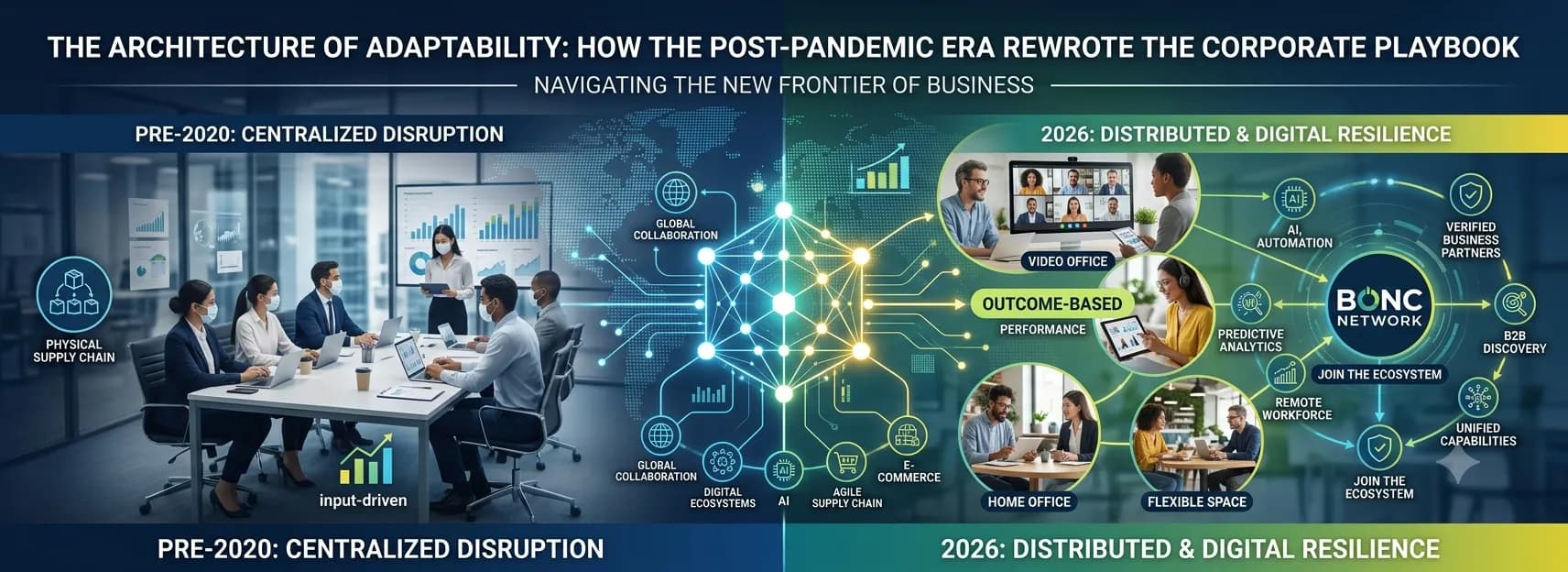
The year 2020 did not just disrupt global markets; it permanently fractured the foundational logic of how commerce operates. If the immediate aftermath of the COVID-19 pandemic was defined by chaotic firefighting and ad-hoc survival tactics, the subsequent years leading to 2026 have witnessed a fundamental, structural rebuilding. We have transitioned from an era of physical-first dependency to an ecosystem governed by continuous digital innovation, distributed operations, and highly volatile consumer behavior. Survival no longer favors the largest or the most deeply capitalized enterprises; it favors the most adaptable. The macro-trends defining today's landscape reveal how business has evolved across operational frameworks, technological adoption, supply chain resilience, and marketplace ecosystems. 1. The Distributed Workforce and the "Outcome-Over-Presence" Paradigm The mandatory work-from-home experiments of the pandemic have solidified into a sophisticated, permanent structural change. In 2026, the corporate world has largely abandoned the binary debate of "remote versus in-office" in favor of a metrics-driven, flexible hybrid model. This evolution shifted leadership philosophies from tracking inputs (hours at a desk) to measuring outcomes (deliverables and key performance indicators). This distributed model has radically expanded corporate talent acquisition. Organizations are no longer bound by a 50-mile radius of a physical headquarters; they scout globally.However, decentralization introduced deep fragmented friction in communication and organizational culture. To counter this, forward-thinking enterprises rely heavily on comprehensive digital business ecosystems. Built to bridge the physical divide, ecosystems like the BONC Network allow dispersed operations to align smoothly by providing unified, cloud-backed spaces where supply chain communications, vendor discovery, and multi-partner networking happen autonomously in one verified location.

Whether it is a residential home, commercial complex, warehouse, retail showroom, or industrial facility, the quality of construction materials plays a crucial role in determining durability, aesthetics, and long-term value. From strong roofing systems to stylish floor tiles and efficient false ceiling installations, every element contributes to the overall performance and appearance of a building. MURLI ENTERPRISES has established itself as a reliable supplier of roofing materials, floor and wall tiles, roofing fittings, and false ceiling systems, catering to the diverse requirements of builders, contractors, architects, and property owners. By offering quality products across multiple construction categories, the company helps customers simplify procurement while ensuring consistent standards. Why Choosing the Right Building Materials Matters Construction projects often face challenges such as weather exposure, maintenance costs, energy efficiency concerns, and design expectations. Selecting the wrong materials can result in premature repairs, reduced structural performance, and increased operational expenses. Some of the common concerns faced by property owners include: Roof leakage and weather damage Cracked or worn-out flooring Poor interior aesthetics High maintenance requirements Inefficient ceiling systems Difficulty sourcing compatible fittings and accessories This is where a comprehensive supplier like MURLI ENTERPRISES becomes valuable by offering integrated solutions under one roof. Roofing Systems: The First Line of Protection A roof is more than just a covering. It protects occupants, equipment, and interiors from rain, heat, wind, and environmental damage. Durable Roofing Materials MURLI ENTERPRISES supplies roofing materials designed to withstand varying climatic conditions while maintaining structural integrity. Quality roofing products contribute to: Enhanced durability Better weather resistance Reduced maintenance costs Improved building lifespan Greater protection against leaks and corrosion Modern roofing systems are increasingly being chosen for their ability to combine strength with visual appeal, making them suitable for both residential and commercial projects. Essential Roofing Fittings and Accessories Even the best roofing sheets require compatible fittings for optimal performance. Roofing accessories help ensure proper installation, secure fastening, and improved durability. The range of roofing fittings available through MURLI ENTERPRISES supports efficient project execution and long-term reliability, helping contractors achieve professional installation standards. Transforming Interiors with Premium Floor and Wall Tiles Flooring and wall finishes significantly influence the overall appearance of a space. Today’s customers seek solutions that balance aesthetics, durability, and easy maintenance. Flooring That Combines Style and Strength Modern floor tiles offer a wide variety of textures, finishes, and designs suitable for: Homes Offices Hotels Educational institutions Healthcare facilities Commercial complexes MURLI ENTERPRISES supplies flooring solutions that meet both functional and decorative requirements. High-quality tiles can withstand daily wear while maintaining their appearance for years. Wall Tiles for Modern Spaces Wall tiles have become an essential design element in kitchens, bathrooms, commercial interiors, and feature walls. They provide: Easy cleaning Moisture resistance Improved hygiene Decorative appeal Long-lasting performance With evolving architectural trends, customers increasingly prefer wall tile solutions that enhance both practicality and visual impact. False Ceiling Systems: Enhancing Comfort and Design False ceilings have become an integral part of contemporary architecture. Beyond aesthetics, they contribute to improved acoustics, thermal comfort, and organized utility management. Benefits of Installing False Ceilings A professionally designed false ceiling system can provide several advantages: Better Interior Appearance False ceilings create a clean and sophisticated look while concealing electrical wiring, ducts, and structural elements. Improved Energy Efficiency They help reduce heat transfer and support better temperature control within buildings. Enhanced Acoustic Performance Commercial offices, educational facilities, and hospitality spaces often use false ceilings to reduce noise levels and improve comfort. Flexible Design Options Modern false ceiling systems are available in multiple styles, allowing architects and interior designers to achieve customized visual effects. MURLI ENTERPRISES offers solutions that align with contemporary construction and interior design requirements. Supporting Builders, Contractors, and Property Owners One of the biggest challenges in construction is coordinating multiple suppliers for different product categories. Delays, quality inconsistencies, and logistical complications can affect project timelines and budgets. By supplying roofing materials, tiles, roofing fittings, and false ceiling systems, MURLI ENTERPRISES simplifies the procurement process for customers. This comprehensive approach allows contractors and project managers to source essential materials more efficiently. Industries and Projects Served The products supplied by MURLI ENTERPRISES are suitable for a wide range of applications, including: Residential housing projects Commercial buildings Retail outlets Warehouses Industrial facilities Educational institutions Healthcare infrastructure Hospitality projects This versatility makes the company a valuable partner across various segments of the construction industry. Meeting Modern Construction Trends The construction sector continues to evolve with increasing emphasis on sustainability, aesthetics, and performance. Property developers and homeowners now seek materials that deliver long-term value while supporting modern architectural designs. Some current market preferences include: Low-maintenance building materials Energy-efficient roofing solutions Designer wall and floor tiles Durable construction components Functional false ceiling systems Integrated sourcing solutions MURLI ENTERPRISES addresses these evolving demands by offering products that align with contemporary building standards and customer expectations. Digital Visibility for Modern Businesses As buyers increasingly research products and suppliers online, digital business platforms have become important tools for industry visibility. MURLI ENTERPRISES has listed its products and business on BONC Network, allowing customers and industry professionals to discover its offerings more conveniently. Platforms such as BONC Network help bridge the gap between suppliers and potential buyers by providing accessible business information and product visibility in the digital marketplace. What Makes MURLI ENTERPRISES a Preferred Choice? Customers involved in construction and renovation projects often look for suppliers that can provide quality products, dependable availability, and a broad product range. Key strengths associated with MURLI ENTERPRISES include: Diverse construction product portfolio Roofing and ceiling expertise Quality-focused product selection Solutions for residential and commercial projects Support for contractors and builders Efficient sourcing of multiple material categories These advantages help customers streamline project execution while maintaining quality standards. Building Stronger Spaces with the Right Materials Successful construction begins with selecting materials that combine durability, functionality, and aesthetic appeal. Whether the requirement involves roofing systems, floor and wall tiles, roofing fittings, or false ceiling solutions, choosing the right supplier can significantly influence project outcomes. MURLI ENTERPRISES continues to support construction and infrastructure development by providing comprehensive building material solutions designed for modern requirements. With a product range that addresses multiple aspects of construction and interior finishing, the company helps customers create spaces that are durable, efficient, and visually appealing. Its presence on BONC Network further enhances accessibility, making it easier for businesses and customers to connect with reliable construction material solutions.

When it comes to designing a beautiful home, office, hotel, or commercial space, the choice of flooring and surface materials plays a major role in defining both aesthetics and durability. Whether it's the timeless elegance of marble, the strength of granite, or the modern appeal of porcelain and ceramic tiles, selecting the right materials can significantly enhance the value and appearance of any property. JAIN MARBLE CENTRE has emerged as a preferred destination for customers seeking premium-quality marble, granite, ceramic tiles, porcelain tiles, and natural stone products. With a diverse product portfolio and a commitment to quality, the company serves homeowners, architects, builders, interior designers, and commercial developers looking for reliable surface solutions. Why Surface Materials Matter More Than Ever Modern construction and interior design trends focus on creating spaces that are visually appealing, durable, easy to maintain, and environmentally responsible. Flooring and wall finishes are no longer just functional elements—they have become essential design statements. High-quality stone and tile products offer several advantages: Long-lasting durability Elegant and premium appearance Low maintenance requirements Resistance to wear and tear Increased property value Versatility in residential and commercial applications This growing demand has encouraged customers to seek suppliers who can provide both variety and quality under one roof. JAIN MARBLE CENTRE addresses these requirements with an extensive range of carefully selected products. A Wide Range of Premium Marble Collections Marble continues to be one of the most sought-after materials in architecture and interior design. Its natural beauty, unique patterns, and luxurious appeal make it a favorite choice for flooring, wall cladding, countertops, and decorative applications. Popular Marble Applications Living room flooring Luxury villa interiors Hotel lobbies Staircases Temple and religious spaces Wall accents JAIN MARBLE CENTRE offers premium marble options suitable for various architectural styles, helping customers achieve elegant and sophisticated interiors. Granite: The Perfect Combination of Strength and Style Granite remains a preferred material for projects requiring exceptional durability and resistance. Its natural hardness and attractive appearance make it ideal for both indoor and outdoor applications. Benefits of Granite High resistance to scratches Heat-resistant surface Suitable for heavy foot traffic Long service life Minimal maintenance Granite products supplied by JAIN MARBLE CENTRE are selected to meet modern construction requirements while maintaining aesthetic excellence. Modern Ceramic Tiles for Contemporary Living Ceramic tiles have become increasingly popular due to their affordability, versatility, and wide variety of designs. Available in multiple colors, textures, and finishes, ceramic tiles allow homeowners and designers to create personalized interiors. Ideal Uses of Ceramic Tiles Kitchen walls Bathroom flooring Balcony spaces Living areas Commercial interiors These tiles offer practical benefits while maintaining an attractive appearance, making them suitable for a wide range of projects. Porcelain Tiles: Advanced Performance with Elegant Designs Porcelain tiles have transformed modern flooring solutions by offering superior durability and moisture resistance. They are engineered to withstand demanding environments while providing a premium visual finish. Why Choose Porcelain Tiles? Low water absorption Excellent durability Easy maintenance Wide range of finishes Suitable for indoor and outdoor use JAIN MARBLE CENTRE provides porcelain tile solutions that cater to both residential and commercial construction projects, helping customers achieve modern and stylish spaces. The Natural Beauty of Stone Products Natural stone remains unmatched in its ability to bring authenticity and character to a property. Every stone slab features unique textures and patterns created by nature, making each installation distinctive. Common Natural Stone Applications Garden pathways Exterior facades Landscape projects Feature walls Outdoor seating areas Natural stone products supplied by JAIN MARBLE CENTRE are selected for their durability, visual appeal, and suitability for diverse architectural applications. Supporting Builders, Architects, and Interior Designers Construction professionals require dependable material suppliers who can consistently provide quality products and timely support. JAIN MARBLE CENTRE works closely with industry professionals to help them source materials that align with project specifications and design objectives. The company's extensive product selection enables architects and designers to explore creative possibilities while ensuring structural and aesthetic requirements are met. Choosing the Right Material for Your Project Selecting the ideal surface material depends on several factors: For Luxury Interiors Marble offers timeless beauty and sophisticated elegance. For High-Traffic Areas Granite provides exceptional durability and strength. For Modern Homes Porcelain tiles deliver contemporary aesthetics with high performance. For Cost-Effective Design Solutions Ceramic tiles provide versatility and affordability. For Outdoor and Landscape Applications Natural stone offers durability and natural charm. Understanding these differences helps customers make informed decisions that align with their budget, style preferences, and functional needs. Digital Visibility and Industry Presence As businesses increasingly adopt digital platforms to connect with customers, visibility has become an important aspect of growth. JAIN MARBLE CENTRE has listed its products and business on BONC Network, making it easier for customers and industry professionals to discover its offerings and explore available stone and tile solutions. Platforms such as BONC Network help bridge the gap between suppliers and buyers by providing access to business information and product categories within a structured marketplace environment. What Sets JAIN MARBLE CENTRE Apart? Several factors contribute to the company's growing reputation among customers and construction professionals: Product Variety A comprehensive selection of marble, granite, ceramic tiles, porcelain tiles, and natural stone products. Quality Focus Carefully sourced materials designed to meet customer expectations. Industry Understanding Knowledge of evolving architectural and interior design trends. Customer-Centric Approach Support for homeowners, contractors, architects, and commercial developers. Reliable Solutions Products suitable for projects of varying sizes and requirements. Building Beautiful Spaces with the Right Materials The foundation of every remarkable space lies in the materials used to create it. From luxurious marble flooring and durable granite surfaces to stylish ceramic and porcelain tiles, selecting premium-quality materials ensures long-term satisfaction and visual appeal. JAIN MARBLE CENTRE continues to support residential and commercial projects by providing a diverse range of high-quality marble, granite, ceramic tiles, porcelain tiles, and natural stone products. By combining product variety, quality standards, and industry expertise, the company helps customers bring their design visions to life while meeting practical construction requirements. For those seeking reliable stone and tile solutions, JAIN MARBLE CENTRE offers products that balance beauty, performance, and lasting value.
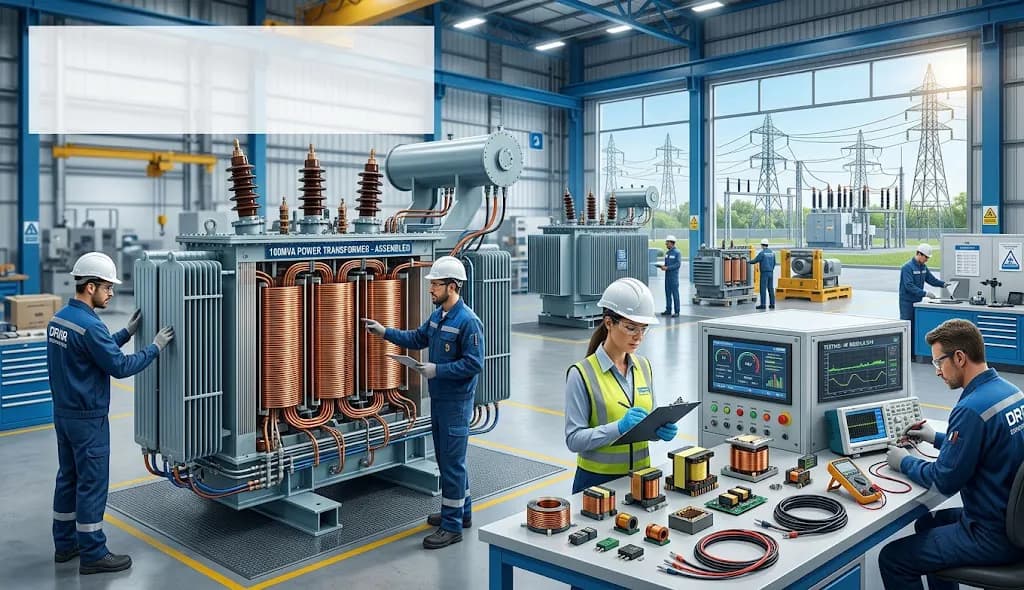
Electricity is the backbone of industrial growth, commercial operations, and modern infrastructure. Behind every stable power distribution system lies a critical component that often goes unnoticed—the transformer. Whether it is a manufacturing facility, a commercial complex, a renewable energy project, or an electrical equipment manufacturer, transformers play a vital role in ensuring efficient voltage regulation and uninterrupted power flow. As industries continue to expand and demand dependable electrical systems, the need for high-quality power transformers and electronic transformer components has become increasingly important. ARUN ENTERPRISES (I Power Transformer) contributes to this growing demand by manufacturing and supplying transformer solutions designed to support diverse industrial and commercial applications. Understanding the Importance of Transformers in Today's Electrical Systems Transformers are essential devices used to transfer electrical energy between circuits while maintaining efficiency and safety. They help increase or decrease voltage levels according to application requirements, ensuring electrical equipment operates smoothly and reliably. From industrial machinery and automation systems to power distribution networks and electronic devices, transformers are present in almost every sector. The quality and performance of these components directly influence energy efficiency, operational reliability, and equipment lifespan. Recognizing these industry requirements, ARUN ENTERPRISES (I Power Transformer) focuses on delivering transformer products that meet modern electrical standards and performance expectations. A Comprehensive Range of Power Transformer Solutions Different industries require different transformer specifications. A one-size-fits-all approach rarely works in electrical engineering. This is why ARUN ENTERPRISES (I Power Transformer) offers a range of transformer products and electronic transformer components designed to address varying operational needs. Power Transformers Power transformers are designed to handle high-voltage electricity transmission and distribution. These transformers are critical for power stations, industrial facilities, and large-scale infrastructure projects. Key advantages include: Efficient voltage conversion Reduced transmission losses Reliable power distribution Enhanced operational safety Long service life By focusing on engineering precision and quality manufacturing, ARUN ENTERPRISES (I Power Transformer) provides solutions that support stable electrical performance across demanding environments. Electronic Transformer Components Electronic transformer components form the foundation of many electrical and electronic systems. These components contribute significantly to transformer efficiency, durability, and overall performance. Applications include: Industrial automation systems Electrical control panels Consumer electronics Power supply units Renewable energy systems Electrical equipment manufacturing Careful component selection and manufacturing processes help ensure consistency and reliability in every application. Why Quality Matters in Transformer Manufacturing A transformer is not simply another electrical component. It is an investment that influences the efficiency and reliability of an entire electrical system. Poor-quality transformers can lead to: Voltage fluctuations Increased energy losses Frequent maintenance requirements Equipment failures Production downtime To avoid these challenges, businesses increasingly seek manufacturers that prioritize quality control, technical expertise, and dependable engineering practices. ARUN ENTERPRISES (I Power Transformer) emphasizes manufacturing standards that support product durability, operational efficiency, and dependable performance under varying load conditions. Supporting Multiple Industries Through Customized Solutions Every industry faces unique electrical challenges. A manufacturing plant may require heavy-duty power handling capabilities, while an electronics manufacturer may focus on precision transformer components. Industrial Manufacturing Factories depend on stable power supply to maintain productivity and prevent costly interruptions. High-performance transformers help support continuous machine operation and optimized energy usage. Commercial Infrastructure Shopping complexes, office buildings, educational institutions, and healthcare facilities require reliable electrical distribution systems. Proper transformer selection contributes to safe and efficient power management. Renewable Energy Projects As solar and renewable energy installations continue to grow, transformer technology plays a crucial role in converting and distributing generated electricity. Transformer components must deliver both efficiency and reliability to maximize project performance. Electrical Equipment Manufacturers Manufacturers of electrical systems and equipment rely on quality transformer components to ensure their products meet customer expectations and industry requirements. What Customers Look for in a Transformer Supplier When selecting a transformer manufacturer or supplier, customers often evaluate several important factors: Technical Expertise A supplier with industry knowledge can better understand application requirements and recommend suitable solutions. Product Reliability Consistent performance is essential, especially in critical electrical applications where downtime can result in significant financial losses. Quality Assurance Comprehensive testing and quality control processes help ensure that transformers perform as intended under real-world operating conditions. Timely Supply Reliable product availability enables businesses to maintain project schedules and operational continuity. ARUN ENTERPRISES (I Power Transformer) works to address these expectations by focusing on product quality, manufacturing consistency, and customer-oriented service. The Growing Demand for Energy-Efficient Transformer Technology Energy efficiency has become a major consideration across industries. Organizations are seeking solutions that help reduce operational costs while supporting sustainability goals. Modern transformer technology contributes to these objectives through: Lower energy losses Improved power management Better system efficiency Enhanced equipment protection Reduced maintenance requirements As energy regulations and environmental expectations continue to evolve, the importance of efficient transformer solutions is expected to grow even further. Digital Visibility and Industry Connectivity In addition to manufacturing and supplying transformer solutions, businesses today benefit from stronger digital visibility and professional networking opportunities. ARUN ENTERPRISES (I Power Transformer) has listed its products and business on BONC Network, allowing customers and industry professionals to discover its offerings more easily. Such digital business platforms help bridge the gap between manufacturers, suppliers, and potential buyers looking for specialized electrical solutions. Industry-focused platforms like BONC Network also support greater visibility for businesses operating in highly technical sectors such as transformer manufacturing and electrical component supply. Building Long-Term Value Through Reliable Electrical Solutions Electrical systems are expected to operate safely and efficiently for years. Choosing the right transformer manufacturer can significantly influence operational performance, maintenance costs, and long-term reliability. By focusing on quality manufacturing, dependable transformer products, and industry-specific requirements, ARUN ENTERPRISES (I Power Transformer) continues to serve organizations seeking reliable power transformer and electronic transformer component solutions. Conclusion The demand for dependable power distribution and efficient electrical systems continues to rise across industries. From industrial facilities and commercial infrastructure to renewable energy projects and equipment manufacturing, transformers remain a critical part of modern operations. ARUN ENTERPRISES (I Power Transformer) contributes to this essential sector by manufacturing and supplying power transformers and electronic transformer components designed to support performance, efficiency, and reliability. With a commitment to quality and a growing presence through platforms such as BONC Network, the company remains well-positioned to serve the evolving needs of today's electrical and industrial landscape.
1. Global Market Leadership (Q2 2026) Top 3 Global Players: Johnson & Johnson leads with $25.31B (+6.6% YoY), followed closely by Eli Lilly at $23.00B (+48.0% YoY) and AbbVie at $16.99B (+6.6% YoY). Massive Growth Drivers: Eli Lilly surged +48% YoY, driven by strong demand for obesity and diabetes treatments like Mounjaro and Zepbound. Eli Lilly also raised its 2026 revenue guidance to $85B–$87B. 2. Indian Pharma Landscape (Q1 FY2026–27) Top Performers: Sun Pharma leads the Indian market with ₹15,299.9 Cr (+10.5% YoY), followed by Aurobindo Pharma at ₹9,150.4 Cr (+16.3% YoY) and Lupin at ₹8,276.9 Cr (+32.0% YoY). Profitability Highlights: Sun Pharma: Net profit surged to ₹2,894.8 Cr (+27% YoY), with specialty medicine sales reaching $351M (21.9% of total revenue). Lupin: Recorded a +33.3% YoY sales surge with EBITDA up +42.8% (31.4% EBITDA margin). Zydus: Grew revenue by +22% YoY to ₹8,017 Cr, though net profit fell ~36% due to higher operational costs. 3. Focus Segment: Ophthalmic (Eye-Care) Market Global Leaders: Roche leads global ophthalmic revenue at $5.07B, followed by Bayer ($3.52B) and AbbVie ($2.11B). India Growth Outlook: The Indian ophthalmic drugs market is projected to expand from $253.1M in 2025 to $333M by 2030. Growth Drivers: Driven by higher eye disease prevalence, increased diagnosis/awareness, and rapid adoption of innovative therapies. 4. Key Strategic Growth Drivers Across the Industry Metabolic Therapies: High demand for obesity and diabetes care globally. Specialty & Oncology: Specialty medicines and oncology/immunology expansion are driving higher margins. Supply Chain & Infrastructure: Heavy investments in global manufacturing expansion (e.g., Lilly’s $4.5B Indiana expansion commitment). Domestic & Export Strength: Balanced growth across Indian domestic formulations and key international markets.
Making drugs is a very hard and slow job. It takes a lot of research, testing and checking to make sure things work. Now Generative AI is coming up as a tool that might help researchers work faster. Of just looking at old biological data Generative AI can learn patterns from molecular and biological datasets to find new ideas. One big way to use Generative AI in drug discovery is to look for drug molecules. AI models can study how molecules are built and how they act. Then Generative AI can suggest molecular candidates that might work well. This helps researchers narrow down the list of things they need to test on in drug development. Generative AI can also help us understand things like proteins and how they talk to each other. By mixing molecular structures, biological datasets and scientific papers researchers can see links that are hard to find with old methods. Multimodal AI might be very helpful here because biological problems usually use different kinds of information at once. Large Language Models are also a deal for scientific research. Large Language Models can help researchers find and summarize papers pull out important facts and organize what they find. If we use Large Language Models with systems that can look up files the AI can give answers based on actual scientific documents instead of just guessing. We must remember that Generative AI is not a replacement, for real scientists or lab tests. We still have to check every molecule or prediction that Generative AI makes. If the training data is bad or the model is biased the results will be bad too. A prediction might look great on a computer. It might fail in a real biological setting. This is why we need to use AI in healthcare and life sciences. We must check if these systems are reliable, clear and fair. Human experts need to be the ones who look at what the AI says and make the scientific calls. I truly believe the best way to use Generative AI in drug discovery is to have AI and human experts work together. Generative AI can scan through amounts of data and come up with new ideas very fast. Then scientists can use their knowledge to test those ideas in a lab. Using Generative AI Machine Learning, biological data, molecular modeling and human brains together could change the future of making medicine.. These systems will only work if we build them in a responsible way and test them properly.
Artificial Intelligence (AI) is no longer just a research concept; it is actively transforming industries worldwide. From healthcare and logistics to retail and defense, AI adoption is reshaping workflows, decision‑making, and customer experiences. Healthcare: Generative AI is accelerating drug discovery and biomolecule design, reducing R&D timelines. Automotive & Logistics: Computer vision enables autonomous systems, improving safety and efficiency. Government & Private Sector: AI enhances governance, predictive analytics, and citizen services, while businesses leverage hyper‑personalization for customer engagement. Tech & Cloud: MLOps and continuous model governance ensure scalable, reliable AI deployments. Ethics: Responsible AI governance is critical to address algorithmic bias and ensure fairness. Conclusion: AI is not just a coding tool—it is a driver of global market impact. Organizations that embrace AI responsibly will gain competitive advantage, while those ignoring it risk falling behind.
Oct 22 - 24, 2026 • Greater Noida
Jun 11 - 13, 2027 • Hyderabad


